čo hľadáš?
A silikónom potiahnutá tepelná manžeta je flexibilné riešenie tepelnej ochrany určené na ochranu hadíc, káblov a potrubí pred vysokými teplotami, sálavým teplom, oderom a vystavením tekutinám v náročných priemyselných prostrediach. Zvyčajne je vyrobené z vysokoteplotného jadra zo sklenených vlákien alebo na báze oxidu kremičitého, zapuzdreného vonkajšou vrstvou silikónovej gumy.
Na rozdiel od nepotiahnutých tepelných návlekov silikónový povlak vytvára súvislú ochrannú bariéru, ktorá zvyšuje odolnosť, zlepšuje odolnosť voči vlhkosti a chemikáliám a výrazne predlžuje životnosť v náročných prevádzkových podmienkach. Vďaka tomu sú tepelné návleky so silikónovým povlakom obzvlášť vhodné pre aplikácie, kde je tepelné vystavenie kombinované s mechanickým opotrebením, vibráciami alebo kontaktom s olejmi a kvapalinami.
Silikónom potiahnuté tepelné manžety sa široko používajú v hydraulických systémoch, motorových priestoroch, mobilných zariadeniach a priemyselných strojoch, kde je spoľahlivá tepelná ochrana nevyhnutná pre bezpečnosť a výkon.
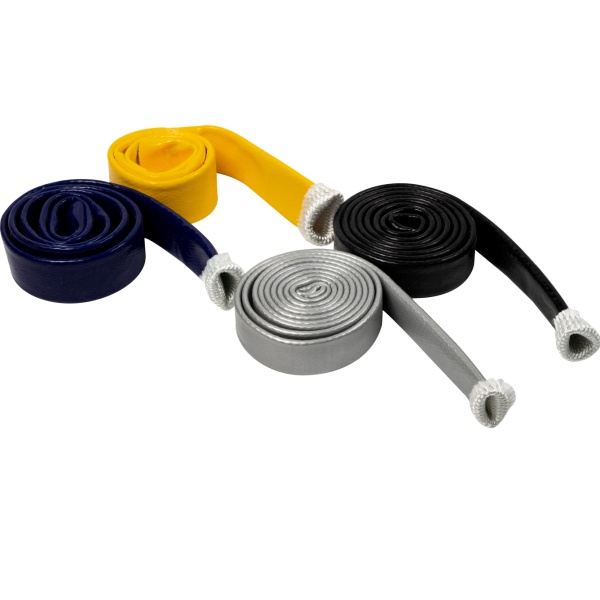
Silikónový povlak nie je kozmetický prvok. Je to funkčná vrstva, ktorá zásadne mení správanie tepelného návleku v reálnych podmienkach.
Jednou z hlavných výhod silikónového povlaku je jeho schopnosť odpudzovať kvapaliny. Hydraulický olej, palivo, chladiaca kvapalina a voda môžu časom rýchlo degradovať nepotiahnuté tepelné materiály. Silikónová vrstva zabraňuje absorpcii kvapalín, čím pomáha manžete udržiavať konzistentné tepelnoizolačné vlastnosti aj vo vlhkých alebo znečistených podmienkach.
Silikónový povlak tiež zvyšuje odolnosť proti oderu. V aplikáciách, kde sa hadice a káble pohybujú, vibrujú alebo trú o okolité komponenty, sa nepotiahnuté objímky môžu predčasne rozstrapkať alebo opotrebovať. Elastomérna povaha silikónu mu umožňuje absorbovať mechanické namáhanie a zároveň chrániť podkladovú vláknitú štruktúru.
Silikónový povlak navyše zlepšuje odolnosť voči UV žiareniu, ozónu a poveternostným vplyvom. Vďaka tomu sú silikónom potiahnuté tepelné manžety vhodné pre vonkajšie inštalácie, terénne zariadenia a námorné prostredia, kde sa nedá vyhnúť vystaveniu prostrediu.
Silikónom potiahnuté tepelné manžety sa používajú v širokej škále odvetví vďaka svojej všestrannosti a odolnosti.
V hydraulických systémoch sa tieto manžety bežne inštalujú na tlakové hadice, aby ich chránili pred sálavým teplom z motorov, výfukových komponentov alebo horúcich povrchov. Udržiavaním nižších povrchových teplôt hadice pomáhajú predchádzať predčasnému zlyhaniu hadice a znižujú riziko úniku kvapaliny.
V motorových priestoroch sa na káblové zväzky, palivové potrubia a káble snímačov vystavené zvýšeným teplotám nanášajú silikónom potiahnuté tepelné manžety. Manžeta slúži ako tepelná a mechanická bariéra, čím sa zvyšuje spoľahlivosť v stiesnených priestoroch s obmedzeným prúdením vzduchu.
Mobilné zariadenia, ako sú stavebné stroje, poľnohospodárske vozidlá a banské zariadenia, sa často spoliehajú na silikónom potiahnuté tepelné manžety na ochranu hadíc a káblov vystavených neustálym vibráciám, nečistotám a tepelným cyklom.
V námorných a pobrežných systémoch poskytujú silikónom potiahnuté tepelné manžety spoľahlivú ochranu vo vlhkom a korozívnom prostredí, kde je odolnosť voči vlhkosti rovnako dôležitá ako tepelná izolácia.
Silikónom potiahnuté tepelné manžety sú navrhnuté tak, aby fungovali pri nepretržitom a prerušovanom tepelnom vystavení. Vnútorná vrstva zo sklenených vlákien alebo oxidu kremičitého poskytuje primárnu tepelnú izoláciu, zatiaľ čo silikónový povlak stabilizuje štruktúru a chráni pred degradáciou povrchu.
V typických priemyselných konfiguráciách silikónom potiahnuté tepelné manžety odolávajú nepretržitým prevádzkovým teplotám vhodným pre väčšinu hydraulických, automobilových a priemyselných aplikácií. Sú obzvlášť účinné pri zmierňovaní sálavého tepla, čím znižujú prenos tepla do hadíc a káblov vedených v blízkosti horúcich komponentov.
Hoci silikónom potiahnuté tepelné návleky ponúkajú vynikajúcu tepelnú ochranu, vo všeobecnosti nie sú určené na priame vystavenie plameňu, pokiaľ nie sú špeciálne navrhnuté a testované na odolnosť voči ohňu. Ich silnou stránkou je skôr trvalé odvádzanie tepla, ochrana pred oderom a odolnosť voči vplyvom prostredia než núdzové obmedzenie požiaru.
Hoci silikónom potiahnuté tepelné návleky a protipožiarne návleky sa môžu zdať podobné, slúžia na rôzne účely a nemali by sa používať zameniteľne.
Protipožiarna objímka je navrhnutá tak, aby poskytovala krátkodobú ochranu pred priamym vystavením plameňu a extrémnym požiarnym udalostiam. Zvyčajne sa testuje v podmienkach plameňa a používa sa v aplikáciách, kde platia predpisy o požiarnej bezpečnosti.
Silikónom potiahnutá tepelná manžeta je naopak optimalizovaná pre nepretržitú tepelnú ochranu, odolnosť voči oderu a utesnenie voči prostrediu. Je vhodnejšia pre aplikácie zahŕňajúce dlhodobé vystavenie teplu, olejom a mechanickému namáhaniu než pre priamy kontakt s plameňom.
Pochopenie tohto rozdielu je kľúčové pre správny výber produktu. Výber protipožiarnej manžety, kde je požadovaná nepretržitá odolnosť proti oderu, môže viesť k predčasnému opotrebovaniu, zatiaľ čo použitie tepelnej manžety v protipožiarnej aplikácii nemusí spĺňať bezpečnostné požiadavky.
Mechanická odolnosť je kľúčovým dôvodom, prečo si inžinieri vyberajú tepelné manžety so silikónovým povlakom. Silikónový povlak poskytuje odolný vonkajší povrch, ktorý odoláva roztrhnutiu, strapkaniu a poškodeniu nárazom.
V dynamických systémoch, kde sa hadice počas prevádzky pohybujú, musí manžeta odolávať ohybu a vibráciám bez praskania alebo delaminácie. Flexibilita silikónu umožňuje manžete zachovať si integritu počas opakovaných tepelných a mechanických cyklov.
Táto odolnosť priamo prispieva k dlhším intervalom údržby, skráteniu prestojov a zlepšeniu celkovej spoľahlivosti systému.
Priemyselné prostredie často vystavuje komponenty kombinácii tepla a chemikálií. Tepelné manžety so silikónovým povlakom sú pre tieto podmienky vhodné vďaka svojej odolnosti voči olejom, palivám, chladiacim kvapalinám a mnohým priemyselným kvapalinám.
Neporézna silikónová vrstva zabraňuje prenikaniu chemikálií do jadra vlákna, čím pomáha zachovať tepelný výkon a štrukturálnu integritu. To je obzvlášť cenné v hydraulických a automobilových aplikáciách, kde sú bežné úniky kvapalín alebo ich zahmlievanie.
Silikónový povlak navyše ponúka odolnosť voči ozónu, UV žiareniu a starnutiu, vďaka čomu je manžeta vhodná na inštaláciu v interiéri aj exteriéri.
Silikónom potiahnuté tepelné manžety sa zvyčajne dodávajú ako flexibilné rúrkové manžety, ktoré sa dajú inštalovať na hadice, káble alebo potrubia počas montáže alebo údržby.
Správne dimenzovanie je nevyhnutné pre zabezpečenie účinnej ochrany. Vnútorný priemer objímky by mal umožňovať jednoduchú inštaláciu a zároveň zachovať tesný kontakt s chráneným komponentom, aby sa minimalizoval prenos tepla.
Inštaláciu je možné vykonať pomocou svoriek, pások alebo iných mechanických upevňovacích metód v závislosti od aplikácie. Flexibilita silikónového povlaku umožňuje, aby sa objímka prispôsobila ohybom a trasám bez toho, aby to ohrozilo výkon.
Mnohé aplikácie vyžadujú prispôsobené riešenia tepelnej ochrany. Tepelné manžety so silikónovým povlakom sa dajú vyrobiť v širokej škále vnútorných priemerov, hrúbok stien a dĺžok, aby spĺňali špecifické požiadavky systému.
K dispozícii môžu byť aj farebné varianty na identifikáciu, bezpečnostné kódovanie alebo estetické začlenenie. Okrem toho je možné rukávy prispôsobiť pre zvýšenú odolnosť voči oderu, zvýšenú teplotnú odolnosť alebo špecifické podmienky prostredia.
Spolupráca so skúseným výrobcom zaručuje, že puzdro je navrhnuté tak, aby zodpovedalo prevádzkovým požiadavkám aplikácie.
Konzistentný výkon silikónom potiahnutých tepelných návlekov závisí od kontrolovaných výrobných procesov a výberu materiálu. Faktory ako kvalita vlákien, hrúbka povlaku a metódy vytvrdzovania priamo ovplyvňujú trvanlivosť a tepelnú účinnosť.
Výrobcovia so zavedenými systémami kvality majú lepšiu pozíciu na poskytovanie opakovateľného výkonu naprieč výrobnými šaržami, čo je kľúčové pre výrobcov originálnych dielov (OEM) a priemyselných zákazníkov.
BSTFLEX Spoločnosť BSTFLEX sa špecializuje na pokročilé riešenia tepelnej ochrany pre priemyselné, automobilové a mobilné zariadenia. Vďaka rozsiahlym skúsenostiam s vysokoteplotnými materiálmi a flexibilnými izolačnými systémami navrhuje spoločnosť BSTFLEX silikónové tepelné manžety, ktoré vyvažujú tepelný výkon, mechanickú odolnosť a dlhodobú spoľahlivosť.
Spoločnosť BSTFLEX podporuje zákazkovú výrobu, dodávky OEM a inžinierstvo špecifické pre danú aplikáciu, čím zabezpečuje, že každá silikónom potiahnutá tepelná manžeta spĺňa presné požiadavky konečného použitia. Certifikované systémy kvality a konzistentné výrobné štandardy pomáhajú zákazníkom dosiahnuť spoľahlivú tepelnú ochranu v náročných prostrediach.
Výber správneho silikónom potiahnutá tepelná manžeta zahŕňa vyhodnotenie prevádzkovej teploty, podmienok vystavenia, mechanického namáhania a požiadaviek na inštaláciu. Pochopenie toho, či je primárnou výzvou sálavé teplo, oder, vystavenie kvapalinám alebo odolnosť voči prostrediu, bude usmerňovať správny výber produktu.
Pri správnom špecifikovaní a inštalácii poskytujú silikónom potiahnuté tepelné manžety účinné a dlhotrvajúce riešenie na ochranu kritických hadíc, káblov a potrubí vo vysokoteplotných priemyselných systémoch.

No.10, Chuangxin North Road, Nanshan Park, Ningguo Economic and Technological Development Zone, Ningguo City, Anhui Province, China
tel/Whatsapp : 0086-15856303740
email : sales@bstbraidedsleeve.com
Skype : vanesa-cheng