čo hľadáš?

Rýchla odpoveď: A tepelný štít katalyzátora sa používa na zníženie prenosu sálavého tepla z katalyzátora do blízkych komponentov, ako sú podlahové panely, kabeláž, hadice, potrubia a okolité časti citlivé na teplo. Správny tepelný štít pre katalyzátor Použitie závisí od vôle, vibrácií, spôsobu montáže a od toho, či potrebujete univerzálne riešenie, náhradný diel alebo tepelnoizolačnú deku.
BSTFLEX ponúka viacero tepelné štíty katalyzátora pre rôzne inštalačné potreby vrátane univerzálneho tienenia, tepelnoizolačných prikrývok a riešení pre špecifické aplikácie. Pozrite si odporúčané produkty:
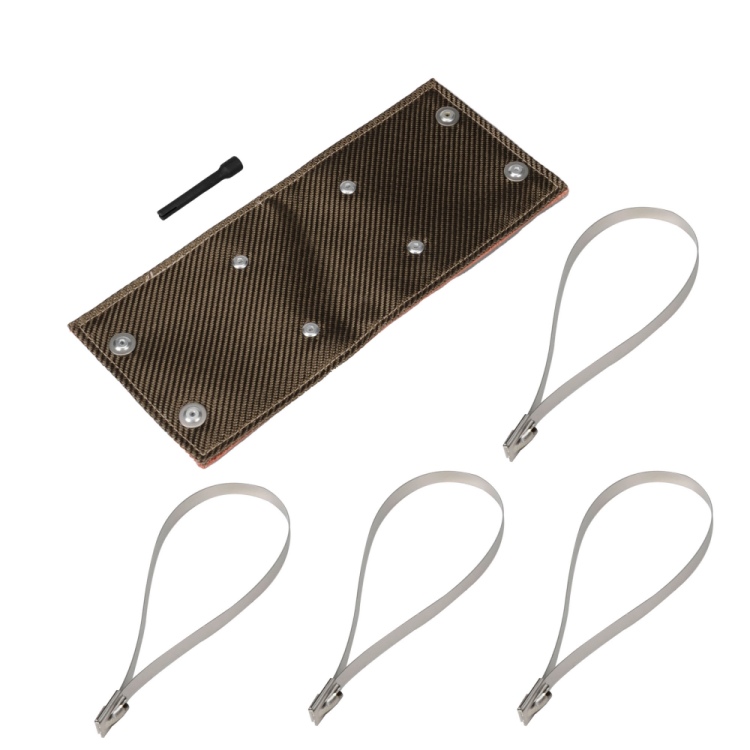
A tepelný štít na katalyzátore zostavy primárne ovládajú sálavé teplo Katalyzátory počas bežnej prevádzky pracujú pri vysokých teplotách a toto teplo sa môže prenikať do okolitých komponentov, najmä v tesných baleniach. Správne zvolený kryt pomáha:
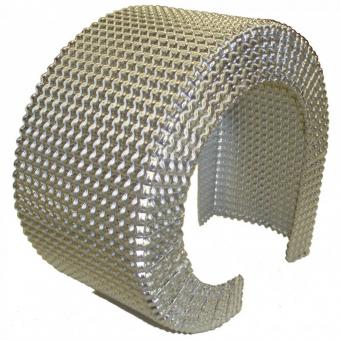
A univerzálny tepelný štít katalyzátora je praktickou možnosťou, keď potrebujete flexibilné uchytenie na rôzne platformy vozidiel alebo na zákazkové stavby. Bežne sa volí pre projekty dodatočnej montáže, zákazkové rozmiestnenie výfukov a všeobecné tepelné vylepšenia, kde sa rozmery a montáž prispôsobujú počas inštalácie.
Riešenie na všeobecné použitie nájdete tu: Tepelný štít katalyzátora .
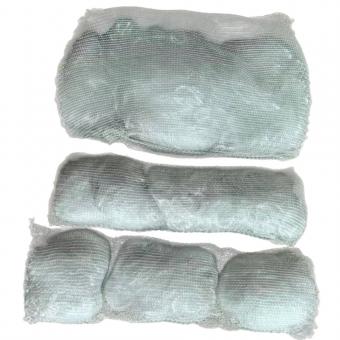
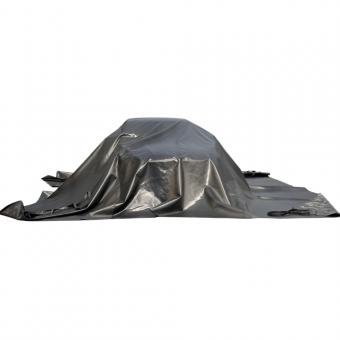
Keď je intenzita tepla vysoká a medzera je tesná, a tepelná izolácia tepelná deka katalyzátora môže zabezpečiť silnejšiu tepelnú reguláciu ako samotný reflexný štít. Riešenia v štýle prikrývok sa často volia tam, kde sálavé teplo a lokalizované horúce miesta spôsobujú opakované problémy s prehriatím.
Pozri: Tepelná izolácia katalyzátora Tepelná deka .
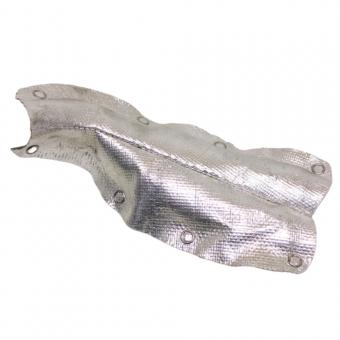
Mnoho kupujúcich hľadá výmena tepelného štítu katalyzátora keď je pôvodný tepelný štít poškodený, uvoľnený, skorodovaný alebo po úpravách už neposkytuje dostatočné krytie. V týchto prípadoch je zvyčajne najlepšou voľbou náhradný tepelný štít alebo tepelný štít špecifický pre dané vozidlo.
Príklad pre konkrétny model nájdete tu: Tepelný štít katalyzátora pre Corvette C7, rok výroby 2014 – 2019 .
Zmerajte minimálnu vzdialenosť medzi katalyzátorom a blízkymi časťami (podlahová vaňa, káblové zväzky, hadice, brzdové/palivové potrubia, plastové kryty atď.). Malá vzdialenosť si zvyčajne vyžaduje robustnejšie riešenie a bezpečné upevnenie.
A tepelný štít katalyzátora znižuje prenos sálavého tepla z meniča do blízkych komponentov, čím pomáha chrániť hadice, drôty, vedenia a panely pred prehriatím a predčasným starnutím.
Použite univerzálny tepelný štít katalyzátora pre zákazkové zostavy a flexibilné prispôsobenie. Vyberte si výmena tepelného štítu katalyzátora keď potrebujete špecifickejšie prispôsobenie aplikácii a opakovateľnú inštaláciu.
Ak je priestor tesný a intenzita tepla vysoká, tepelnoizolačná deka je často lepším riešením, pretože poskytuje silnejšiu lokalizovanú reguláciu tepla ako samotný reflexný štít.
Fotografie oblasti inštalácie, rozmery meniča, merania vôle, citlivé komponenty v blízkosti a informácia o tom, či uprednostňujete univerzálne alebo náhradné riešenie.
Pošlite fotografie oblasti vášho katalyzátora, vzdialenosti od blízkych dielov a cieľovej oblasti pokrytia. Odporučíme vám ten správny tepelný štít pre katalyzátor žiadosti a poskytnúť rýchlu cenovú ponuku.
Vyžiadať cenovú ponuku | Zobraziť riešenia izolácie tepelného štítu výfuku

No.10, Chuangxin North Road, Nanshan Park, Ningguo Economic and Technological Development Zone, Ningguo City, Anhui Province, China
tel/Whatsapp : 0086-15856303740
email : sales@bstbraidedsleeve.com
Skype : vanesa-cheng