čo hľadáš?
Čo je tepelná ochrana výfukových plynov a prečo je dôležitá
Tepelná ochrana výfukových plynov je kritické riešenie tepelného manažmentu určené na kontrolu, zadržiavanie a presmerovanie extrémneho tepla generovaného výfukovými systémami. V automobilovom aj priemyselnom prostredí výfukové komponenty bežne pracujú pri teplotách dostatočne vysokých na to, aby poškodili okolité časti, znížili účinnosť systému a vytvorili vážne bezpečnostné riziká. Tepelné tienenie výfukových plynov existuje na riešenie týchto problémov kontrolovaným a technicky navrhnutým spôsobom.
Účinné tienenie výfukových plynov namiesto jednoduchého blokovania tepla riadi jeho pohyb. Znižuje prenos sálavého tepla, obmedzuje šírenie tepla vedením a stabilizuje teplotné vystavenie blízkym komponentom. Vďaka tomu je nevyhnutným prvkom v moderných motorových priestoroch, výfukových zostavách a priemyselných systémoch s vysokými teplotami.
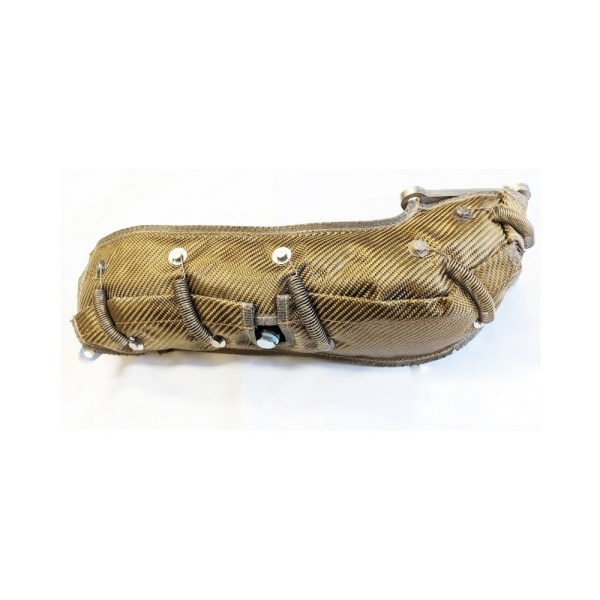
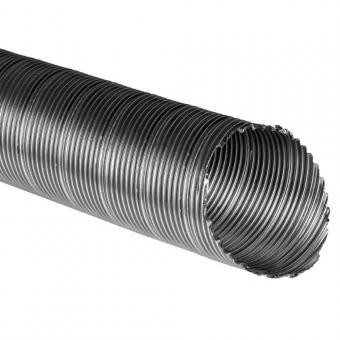
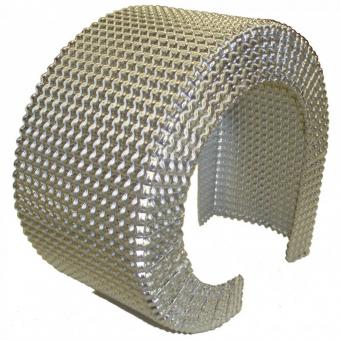
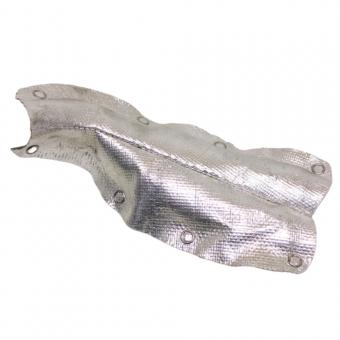
Tepelné tienenie výfukových plynov označuje kategóriu materiálov a konštrukcií inštalovaných okolo výfukových potrubí, turbodúchadiel, zvodov, tlmičov výfuku a výfukového potrubia. Jeho hlavným účelom je izolovať vysokoteplotné komponenty výfukových plynov od teplocitlivých častí, ako sú káble, hadice, senzory, palivové potrubia, panely karosérie a konštrukčné prvky.
Na rozdiel od základnej izolácie, tepelná ochrana proti výfuku často kombinuje viacero funkcií. Odráža sálavé teplo, absorbuje a rozptyľuje tepelnú energiu a vytvára vzduchovú medzeru alebo tepelnú bariéru, ktorá spomaľuje prenos tepla. V závislosti od konštrukcie môže byť pevná alebo flexibilná, odnímateľná alebo trvalá, jednovrstvová alebo viacvrstvová.
V praxi umožňuje tepelná ochrana výfukových plynov systémom pracovať pri vysokých teplotách výfukových plynov bez prenosu škodlivého tepla do okolitého prostredia.
Výfukové systémy zvládajú vedľajšie produkty spaľovania, ktorých teplota môže počas bežnej prevádzky prekročiť niekoľko stoviek stupňov Celzia a pri vysokom zaťažení, preplňovaní turbodúchadlom alebo pri nepretržitom priemyselnom používaní stúpať oveľa vyššie. Toto teplo nezostáva obmedzené na samotnú výfukovú rúru. Bez tienenia vyžaruje von a hromadí sa v motorových priestoroch alebo uzavretých strojových priestoroch.
Nekontrolované výfukové teplo môže časom viesť k poruche izolácie káblov, stvrdnutiu a praskaniu hadíc, predčasnému zlyhaniu snímačov, deformácii plastových komponentov a dokonca k nebezpečenstvu požiaru. V priemyselnom prostredí môže nadmerné sálavé teplo poškodiť susedné zariadenia, znížiť prevádzkovú účinnosť a vytvoriť nebezpečné pracovné podmienky.
Tepelné tienenie výfukových plynov priamo rieši tieto riziká riadením toho, kam teplo smeruje a ako rýchlo sa prenáša.
Tepelná regulácia je úzko spätá s výkonom. Keď sa výfukové teplo nechá nekontrolovateľne unikať do motorového priestoru, zvyšuje sa teplota okolia nasávacích systémov a elektronických komponentov. Vyššie teploty nasávaného vzduchu znižujú hustotu vzduchu, čo negatívne ovplyvňuje účinnosť spaľovania a výkon.
Zadržiavaním tepla vo výfukovej ceste pomáha tepelná ochrana výfukových plynov udržiavať stabilnejšie prevádzkové teploty. To podporuje lepšiu rýchlosť výfukových plynov, konzistentnejší výkon turbodúchadla a znížené tepelné zahrievanie počas dlhodobej prevádzky. Vo vozidlách zameraných na výkon a ťažkých zariadeniach sa tieto výhody priamo premietajú do zvýšenia spoľahlivosti a účinnosti.
Degradácia súvisiaca s teplom je jednou z najčastejších príčin predčasného zlyhania komponentov. Materiály, ktoré dobre fungujú pri miernych teplotách, sa často rýchlo zhoršujú, keď sú vystavené trvalému sálavému teplu z výfukových komponentov.
Tepelné tienenie výfukových plynov znižuje toto tepelné namáhanie. Znížením povrchových teplôt na blízkych častiach predlžuje životnosť hadíc, kabeláže, tesnení a elektronických modulov. Taktiež chráni konštrukčné komponenty a panely karosérie pred deformáciou, zmenou farby alebo únavou spôsobenou dlhodobým vystavením teplu.
Pre priemyselné zariadenia pracujúce nepretržite alebo v stiesnených priestoroch je táto výhoda odolnosti obzvlášť dôležitá. Znížené tepelné poškodenie znamená menej neplánovaných odstávok, nižšie náklady na údržbu a dlhšiu životnosť zariadení.
Z bezpečnostného hľadiska nie je tepelné tienenie výfukových plynov v mnohých aplikáciách voliteľné. Netienené komponenty výfukových plynov predstavujú riziko popálenín pre technikov a operátorov. V prostrediach, kde sa nachádzajú horľavé kvapaliny, výpary alebo nečistoty, nadmerné sálavé teplo výrazne zvyšuje riziko požiaru.
Tepelné tienenie slúži ako ochranná bariéra, ktorá znižuje teploty exponovaných povrchov a znižuje pravdepodobnosť náhodných kontaktných zranení alebo vznietenia. V regulovaných odvetviach správne tepelné tienenie výfukových plynov tiež podporuje dodržiavanie bezpečnostných noriem a noriem tepelnej expozície.
Tepelné tienenie výfukových plynov sa používa všade tam, kde sa vysokoteplotné výfukové systémy nachádzajú v blízkosti citlivých komponentov. V automobilovom priemysle to zahŕňa osobné vozidlá, výkonné automobily, motocykle, úžitkové nákladné vozidlá a terénne stroje. Preplňované motory a tesne usporiadané motorové priestory sa vo veľkej miere spoliehajú na účinné riešenia tepelného tienenia.
V priemyselnom prostredí je tienenie výfukových plynov rovnako dôležité. Zariadenia na výrobu energie, stavebné stroje, lodné motory, generátory a výrobné systémy sú všetky závislé od riadeného tepelného manažmentu, aby sa zabezpečila bezpečná a efektívna prevádzka. V týchto prostrediach musí tienenie často odolávať nepretržitým vysokým teplotám, vibráciám a náročným prevádzkovým podmienkam.
Hoci sa tepelná ochrana výfukových plynov niekedy považuje za pomocnú súčasť, jej vplyv je dlhodobý a kumulatívny. Správne navrhnutá ochrana znižuje opotrebenie, zlepšuje tepelnú účinnosť a zabraňuje nákladným poruchám, ktoré sa nemusia objaviť okamžite, ale vyvíjajú sa časom.
Z inžinierskeho hľadiska je tepelné tienenie výfukových plynov súčasťou holistickej stratégie tepelného manažmentu. Umožňuje systémom pracovať bližšie k ich výkonnostným limitom bez toho, aby bola ohrozená bezpečnosť alebo spoľahlivosť. Pre výrobcov prispieva k odolnosti a reputácii produktu. Pre prevádzkovateľov znižuje prestoje a celkové náklady na vlastníctvo.
Nie všetky tepelné ochrany proti výfuku fungujú rovnako. Účinnosť závisí od výberu materiálu, konštrukčného riešenia, spôsobu inštalácie a špecifického tepelného prostredia. Správny prístup k tieneniu ovplyvňujú faktory ako maximálna teplota, trvanie expozície, vibrácie, prúdenie vzduchu a blízkosť citlivých komponentov.
Preto by sa s tepelným tienením výfukových plynov malo zaobchádzať skôr ako s technickým riešením než ako s všeobecným doplnkom. Pri správnom návrhu sa stáva neoddeliteľnou súčasťou výkonu a ochrany systému.
Pochopenie toho, čo je tepelná ochrana výfukových plynov a prečo je dôležitá, je prvým krokom k návrhu bezpečnejších, efektívnejších a spoľahlivejších vysokoteplotných systémov.

No.10, Chuangxin North Road, Nanshan Park, Ningguo Economic and Technological Development Zone, Ningguo City, Anhui Province, China
tel/Whatsapp : 0086-15856303740
email : sales@bstbraidedsleeve.com
Skype : vanesa-cheng