čo hľadáš?
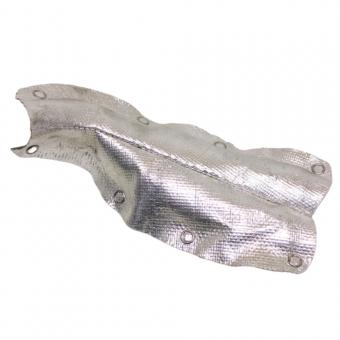
Jeden Tepelná bariéra s lepiacou podložkou je vysoko účinný tepelnoizolačný materiál určený na odrážanie sálavého tepla a zároveň umožňuje rýchlu a bezpečnú inštaláciu vďaka samolepiacemu podkladu (PSA). Je široko používaný v automobilovom priemysle, priemysle, systémoch vykurovania, vetrania a klimatizácie a elektrotechnike, kde je kľúčová úspora miesta, odolnosť voči vysokým teplotám a jednoduchá inštalácia.
Na rozdiel od tradičných tepelných štítov, ktoré vyžadujú mechanické upevňovacie prvky, je možné tepelnú bariéru s lepidlom aplikovať priamo na čisté povrchy, čím sa skracuje čas inštalácie a zlepšuje celková účinnosť. Táto stránka poskytuje kompletný technický sprievodca materiálmi, výkonom, aplikáciami a kritériami výberu.
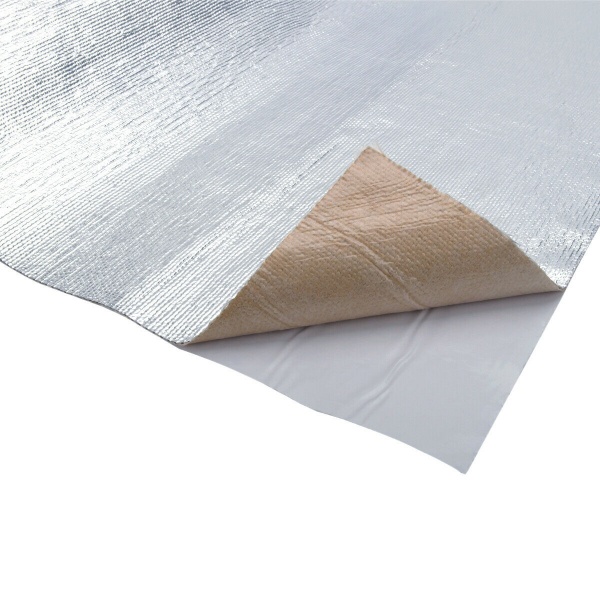
Jeden Tepelná bariéra s lepiacou podložkou je viacvrstvový tepelnoizolačný materiál, ktorý kombinuje reflexnú alebo izolačnú povrchovú vrstvu s vysokoúčinným lepiacim podkladom. Primárnou funkciou je blokovať prenos sálavého tepla , znižujú povrchové teploty a chránia okolité komponenty pred poškodením teplom.
Lepiaca vrstva umožňuje materiálu bezpečne sa prilepiť na kovové, plastové alebo kompozitné povrchy bez vŕtania alebo dodatočného spájania. Vďaka tomu sú tepelné bariéry s lepiacou podložkou ideálne pre stiesnené priestory, zložité geometrie a modernizačné projekty.
Odrážajte sálavé teplo od citlivých komponentov
Znížte tepelnú únavu a prehriatie
Zlepšite energetickú účinnosť a životnosť komponentov
Umožnite rýchlu a čistú inštaláciu
Výkonnosť tepelnej bariéry s lepiacou podložkou závisí vo veľkej miere od jej konštrukcie. Väčšina produktov pozostáva z nasledujúcich vrstiev:
Medzi bežné materiály patria:
Hliníková fólia – Vynikajúci odraz sálavého tepla (až 95 %)
Sklolaminátová tkanina – Odolnosť a trvanlivosť voči vysokým teplotám
Kremičitá tkanina – Extrémna tepelná ochrana pre priemyselné prostredie
Niektoré návrhy zahŕňajú:
Sklolaminátová rohož
Keramické vlákno
Netkaná izolácia
Táto vrstva zvyšuje tepelný odpor a znižuje prenos tepla vedením.
Lepiaca vrstva je navrhnutá pre prostredie s vysokou teplotou a môže obsahovať:
Akrylové lepidlo – Silná väzba, dobrá chemická odolnosť
Silikónové lepidlo – Vynikajúca stabilita pri vysokých teplotách
| Vrstva | Funkcia |
|---|---|
| Vrstva tváre | Odráža alebo odoláva sálavému teplu |
| Izolačné jadro | Znižuje vedenie tepla |
| Podpora PSA | Umožňuje jednoduchú inštaláciu |
Vysokokvalitná tepelná bariéra s lepidlom je navrhnutá tak, aby fungovala v náročných tepelných podmienkach.
Trvalá teplotná odolnosť: 200 °C – 550 °C (392 °F – 1022 °F)
Odraz sálavého tepla: Až 95 %
Krátkodobá maximálna expozícia: Do 1100 °C (2012 °F), v závislosti od materiálu
Hliníkový povrch odráža žiarivú energiu, zatiaľ čo izolačné vrstvy spomaľujú prenos tepla. Lepidlo je vyvinuté tak, aby si zachovalo pevnosť spoja bez toho, aby sa roztavilo alebo degradovalo pri zvýšených teplotách.
Vďaka svojej všestrannosti sa tepelnoizolačné materiály s lepiacou vrstvou používajú vo viacerých odvetviach:
Firewally a priečky
Izolácia výfukového tunela
Tepelná ochrana batérie
Tepelná ochrana pod kapotou
Kryty strojov
Vysokoteplotné kryty
Pece a rúry
Izolácia procesných zariadení
Izolácia potrubia
Vzduchotechnické jednotky
Tepelná izolácia komponentov
Ochrana káblov a vodičov
Izolácia ovládacieho panela
Batériové bloky a napájacie moduly
Výber tepelnej bariéry s lepiacou podložkou ponúka oproti tradičným metódam izolácie niekoľko výhod:
Rýchla inštalácia: Nie je potrebné vŕtanie, rezanie ani upevňovacie prvky
Priestorovo úsporný dizajn: Tenký profil ideálny do stiesnených priestorov
Silná priľnavosť: Bezpečne priľne ku kovovým a kompozitným povrchom
Ľahká: Minimálna hmotnosť zostáv
Čistý vzhľad: Profesionálna povrchová úprava bez odhaleného kovania
Vďaka týmto výhodám sú tepelné bariéry s lepiacou podložkou obzvlášť obľúbené v moderných automobilových a priemyselných prevedeniach.
Výber správneho materiálu je kľúčový pre výkon a bezpečnosť. Zvážte nasledujúce faktory:
Prispôsobte trvalé a špičkové teplotné hodnoty svojej aplikácii
Kov, lakované povrchy, plasty alebo kompozity môžu vyžadovať rôzne lepidlá
Vystavenie oleju, vlhkosti, vibráciám alebo chemikáliám
Ploché vs. zakrivené povrchy
Použitie v interiéri alebo exteriéri
Správne zvolená tepelná bariéra s lepiacou podložkou zaisťuje dlhodobú trvanlivosť a spoľahlivú tepelnú ochranu.
Mnoho výrobcov ponúka prispôsobenie pre splnenie špecifických potrieb projektu vrátane:
Vlastná hrúbka a rozmery
Vysekávané alebo rolované formáty
Rôzne typy lepidiel
Značkové alebo privátne obaly
Riešenia na mieru pomáhajú optimalizovať výkon a zároveň znižovať odpad a čas inštalácie.
Spoľahlivá tepelná bariéra s lepiacou podložkou by mala byť vyrobená za prísnych noriem kontroly kvality. Hľadajte:
Konzistentná hrúbka materiálu
Vysokokvalitné suroviny
Testovaný lepiaci výkon
Stabilné dodávky a konzistentnosť šarží
Profesionálni výrobcovia môžu tiež poskytnúť technické listy a aplikačné pokyny.
Áno. Samolepiaci dizajn umožňuje rýchlu inštaláciu na čisté a suché povrchy bez použitia špeciálneho náradia.
Väčšina produktov používa akrylové alebo silikónové lepidlá citlivé na tlak určené do prostredia s vysokou teplotou.
Niektoré materiály je možné odstrániť, ale zvyšky lepidla môžu zostať v závislosti od teploty a typu povrchu.
Áno, za predpokladu, že materiál je dimenzovaný na vlhkosť, vystavenie UV žiareniu a environmentálne podmienky.
Hliník účinne odráža sálavé teplo, zatiaľ čo izolačná vrstva obmedzuje prenos tepla vedením.
Áno, hrúbku, veľkosť, typ lepidla a zloženie materiálu je možné prispôsobiť pre konkrétne aplikácie.
Výberom správnych materiálov a lepidla môžu firmy výrazne zlepšiť tepelnú ochranu, životnosť komponentov a celkovú účinnosť systému.

No.10, Chuangxin North Road, Nanshan Park, Ningguo Economic and Technological Development Zone, Ningguo City, Anhui Province, China
tel/Whatsapp : 0086-15856303740
email : sales@bstbraidedsleeve.com
Skype : vanesa-cheng