Construction equipment muffler packing must survive more than exhaust heat. Excavators, wheel loaders, bulldozers, compact loaders, rollers and other off-highway machines combine diesel exhaust duty with continuous vibration, repeated load changes, dust, impact and long operating shifts. A suitable packing system therefore depends on the entire silencer construction—not on a single temperature figure or a generic bag of muffler wool.
The first step is to confirm that the component contains an absorptive packing section. The second is to reproduce the approved material, dry filling weight, core-side protection and retention system. The same machine model can be fitted with different engine or exhaust configurations, so vehicle identification alone is not enough for an OEM or replacement specification.
BSTFLEX supplies muffler and exhaust silencer packing materials in fiberglass, basalt fiber, ceramic fiber and stainless steel wool, together with packing mats, expanding sheets, core sleeves, retaining screens and custom preformed components.
Quick Answer: What Packing Is Used in Construction Equipment Mufflers?
A packed off-highway silencer can use one or more of the following:
- fiberglass acoustic packing;
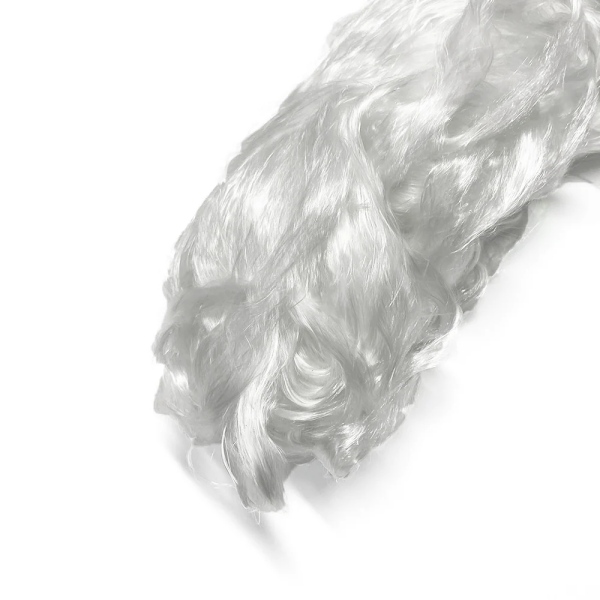
- E-glass continuous-fiber or yarn-based packing;
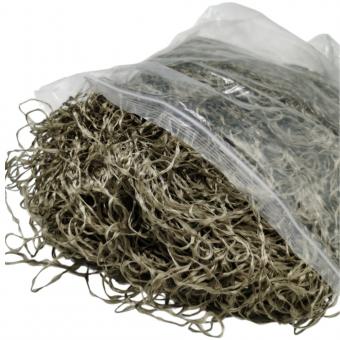
- fiberglass mat, sheet or pre-weighed loose fill;
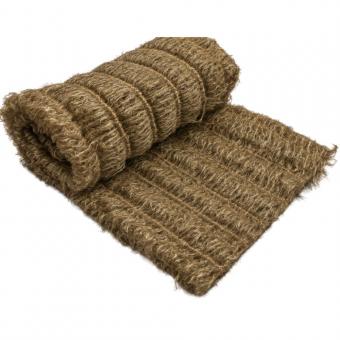
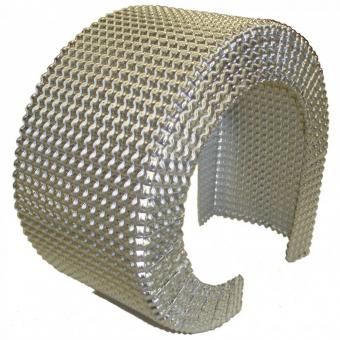
- stainless steel wool around the perforated core;
- a steel wool core sleeve;
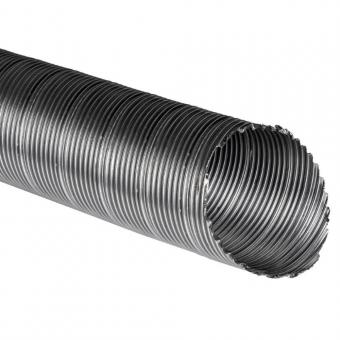
- a separate stainless steel retaining screen;
- basalt loose fill, mat or expanding sheet;
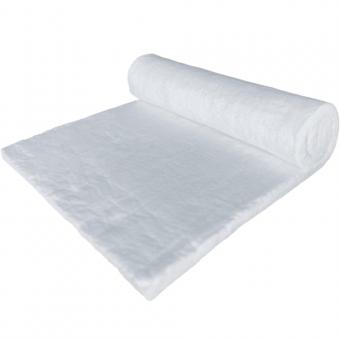
- ceramic fiber mat for an approved high-temperature design;
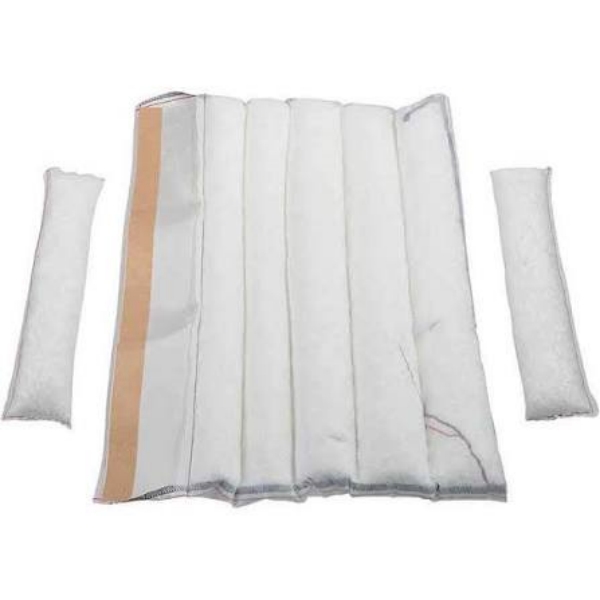
- a packing pillow, sock or other fabricated component.
The material and format should match the muffler drawing, operating conditions and assembly process. A heavy-duty label does not establish one universal packing construction.
Which Machines Does This Guide Cover?
The selection principles apply to absorptive exhaust silencers used on:
- hydraulic excavators;
- mini excavators;
- wheel loaders;
- skid-steer and compact track loaders;
- bulldozers;
- motor graders;
- road rollers and compactors;
- backhoe loaders;
- telehandlers;
- cranes and lifting equipment;
- trenchers and drilling equipment;
- off-highway dumpers;
- forestry and earthmoving machinery;
- other mobile diesel-powered equipment.
Stationary generator silencers and on-highway truck mufflers share some material choices, but their duty cycles, installation environments and purchasing programs are different. A construction-equipment page should remain focused on mobile off-highway exhaust systems.
Confirm That the Component Actually Uses Fibrous Packing
Not every exhaust component on a modern diesel machine contains muffler packing.
The exhaust system may include:
- a turbocharger outlet section;
- diesel oxidation catalyst;
- diesel particulate filter;
- selective catalytic reduction components;
- mixing or dosing sections;
- reactive muffler chambers;
- absorptive silencer sections;
- spark-arresting components;
- tailpipe or stack assemblies.
Fibrous acoustic material belongs only in the cavity designed to contain it. It should not be inserted into a catalyst, DPF, SCR substrate, gas passage or another chamber simply because space is visible.
Where an exhaust assembly also performs spark-arresting or emissions-control functions, do not change its material, internal geometry or flow path without the required engineering approval.
Construction Machinery Duty: Heat, Vibration and Load Cycling
Off-highway machines commonly move between idle, partial load and high-load work. The muffler can therefore experience repeated heating and cooling rather than one stable operating point.
The project review should consider:
- continuous temperature at the packing location;
- short peak temperature and duration;
- temperature measurement position;
- exhaust mass flow and gas velocity;
- engine load cycle;
- machine vibration;
- chassis shock and impact;
- dust and debris around the exhaust enclosure;
- condensation during shutdown;
- oil, soot or fuel-related contamination;
- orientation of the muffler on the machine.
These inputs help select and validate the packing system. They do not automatically point to one fiber material.
Fiberglass Muffler Packing for Excavators and Loaders
Fiberglass muffler packing is a common starting material for absorptive silencers. The purchase specification should identify the glass grade and the supplied fiber construction rather than relying on the word fiberglass alone.
BSTFLEX fiberglass options include:
- Fiberglass Exhaust Muffler Packing;
- E-glass Exhaust Silencer Packing;
- Fiberglass Loose Fill Muffler Packing;
- Fiberglass Exhaust Silencer Packing Mat;
- Expanding Fiberglass Exhaust Packing Sheet.
For an OEM inquiry, state whether the plant needs loose fiber, a mat, a compressed expanding sheet, a cut component or a pre-weighed charge. Each supply form puts different work on the assembly line.
Loose Fill, Mat or Expanding Sheet?
| Supply Form | Suitable Production Route | Main Controls |
|---|---|---|
| Loose fiber | The factory weighs and distributes material into one or more packing zones | Dry charge, fiber identity, zone distribution and retention |
| Mat or sheet | The factory cuts or receives a defined piece and wraps it around the core | Areal weight, thickness, dimensions, overlap and piece weight |
| Expanding sheet | The material is installed in a compact form and released under approved initial heating conditions | Fiber weight, compressed dimensions, stitching and release procedure |
| Pre-weighed charge | One measured quantity is supplied for each muffler or isolated packing zone | Net fiber weight, tolerance, bag tare, label and traceability |
| Preformed component | The supplier controls fiber quantity and some of the finished geometry | Dimensions, filling weight, cover construction and assembly fit |
There is no automatic ranking from best to worst. The right supply form is the one that delivers the approved material consistently through the customer's production process.
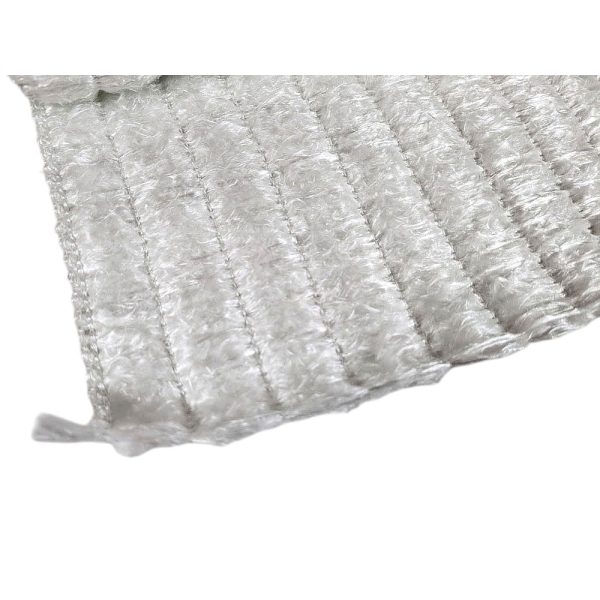
Stainless Steel Wool Near the Perforated Core
High gas velocity through perforations can subject the core-facing surface of the acoustic fiber to mechanical stress. Some construction-equipment mufflers therefore include stainless steel wool around the perforated tube before the main fiberglass or basalt layer.
BSTFLEX supplies:
- Stainless Steel Wool Exhaust Muffler Packing;
- Stainless Steel Wool Rolls;
- Steel Wool Muffler Core Sleeves.
The wool should be specified separately from the main acoustic filling. Define its alloy, fiber grade, mass, width, coverage length, installed thickness and overlap.
A wire-cloth alloy used in a finished sleeve does not automatically identify the alloy of the wool. Keep each constituent on its own bill-of-materials line.
Retaining Screens and Fiber Migration
A retaining screen can help keep the packing assembly in its intended shape. It is an open wire structure, not a substitute for stainless steel wool or acoustic fiber.
The BSTFLEX Stainless Steel Exhaust Screen can be reviewed where the design requires a separate containment layer.
For a custom screen, specify:
- wire material;
- wire diameter;
- interlaced or other screen construction;
- number of layers;
- finished cut dimensions;
- edge treatment;
- overlap and fastening;
- location within the packing assembly.
Visible fiber at the outlet does not automatically prove that the main packing material is wrong. Inspect the core perforations, joints, metallic wool and screen before changing the fiber grade.
Basalt Fiber for Off-Highway Diesel Exhaust
Basalt fiber is another material direction for approved exhaust silencers. BSTFLEX supplies:
- Basalt Fiber Loose Fill Muffler Packing;
- Basalt Muffler Packing Mat;
- Basalt Fiber Expanding Muffler Packing Sheet.
Loose fill, conventional mat and expanding sheet are different supply forms. They should not be combined under one undefined basalt packing description.
Do not approve basalt as a fiberglass substitute from equal weight or a higher advertised temperature alone. Compare the actual material grade, sheet or fiber structure, installed distribution and complete-muffler validation.
Ceramic Fiber for an Approved High-Temperature Design
BSTFLEX supplies a Ceramic Fiber Muffler Packing Mat for projects that specifically require ceramic fiber.
A ceramic mat should not be treated as a universal upgrade. Confirm:
- the exact fiber family and grade;
- mat thickness and weight basis;
- cut dimensions;
- handling and safety documentation;
- continuous and peak operating conditions;
- retention structure;
- sample validation requirements.
The material's highest published temperature is not a complete silencer specification.
Calculate the Net Packing Volume
For a simple cylindrical silencer with a centered circular core, theoretical packing volume can be estimated from:
V = π × (D2 - d2) × L / 4,000,000
when all dimensions are in millimeters, where:
- V is the theoretical packing volume in liters;
- D is the inside diameter of the packing chamber;
- d is the outside diameter of the excluded inner envelope;
- L is the effective packed length.
The excluded inner envelope may include the perforated tube plus a steel wool layer or core sleeve. Subtract the volume of brackets, partitions and other internal components that occupy the cavity.
For oval, rectangular, flattened or offset-core silencers, use the actual cross-sectional geometry from the drawing or CAD model.
Convert an Approved Density into Filling Weight
When the selected material already has a validated installed density:
Dry fiber charge = net packing volume × approved installed density.
This calculation converts an approved value into a production quantity. It does not select the density for a new muffler.
Do not copy a filling density from a motorcycle, truck or generator silencer simply because both products use fiberglass. Material grade, cavity depth, gas flow and structural retention can differ.
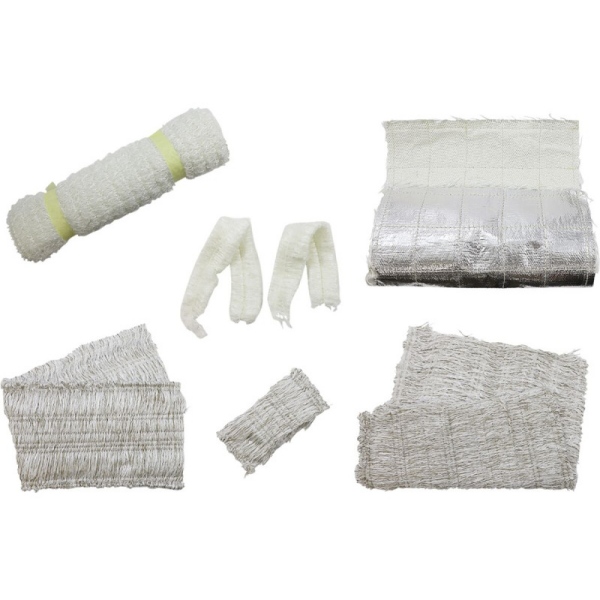
Large or Irregular Mufflers May Need Several Packing Zones
Construction-equipment silencers may include stepped bodies, offset cores, end chambers or packing behind perforated panels.
The work instruction should divide the system into actual packing zones, such as:
- main annular cavity;
- inlet-side packing section;
- outlet-side packing section;
- wide pocket beside an offset core;
- end-fill component;
- packing behind a perforated baffle.
Give each isolated zone its own material quantity or cut-piece reference. A correct total weight does not prove that every region contains the required packing.
Pre-Weighed Charges for Repeat Production
Where the same muffler is produced repeatedly, the approved dry charge can be supplied in individually identified bags.
A pre-weighed package can carry:
- material reference;
- net fiber weight;
- customer part number;
- drawing revision;
- packing-zone identification;
- lot or batch number;
- barcode or QR code;
- quantity per carton.
Pre-weighed supply can improve line-side consistency, but it should be compared against the customer's existing weighing or metered-filling process.
Preformed Packing for Cleaner Assembly
A fabricated packing component may be useful where loose-fiber handling, positioning or traceability causes production problems.
BSTFLEX can review:
- Muffler Packing Pillows;
- Fiberglass Muffler Packing Socks;
- Fabric-Wrapped Preformed Muffler Packing;
- custom cut mats, pads and contained assemblies.
For a preformed part, control the fiber-only filling weight separately from the cover, stitching and total component weight.
Dust, Moisture and Contamination
Construction sites expose equipment to dust, mud and weather, but external dust should not be treated as a normal internal packing ingredient.
During inspection or replacement, document:
- soot concentration;
- oil contamination;
- water or condensate staining;
- foreign debris;
- fiber erosion;
- collapsed or compressed regions;
- corrosion or damage to metallic layers.
A used packing sample can gain mass from deposits while losing fiber elsewhere. Its removed weight is useful historical evidence, not a reliable original production specification.
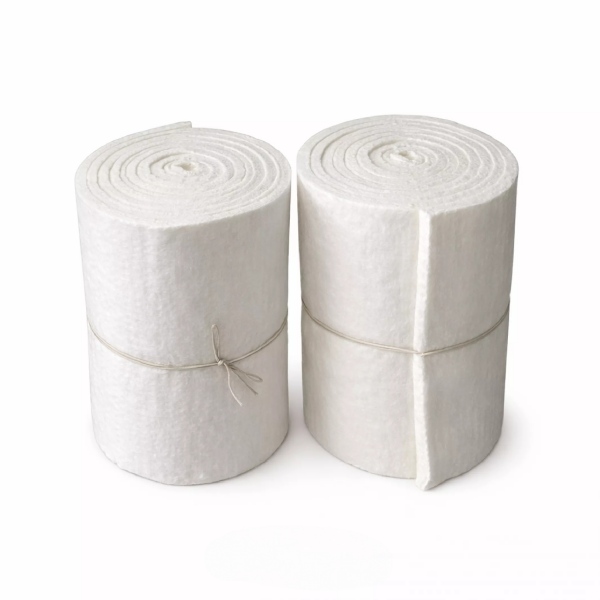
Failure Diagnosis: Do Not Blame the Fiber First
A louder muffler, fiber blowout or shortened service life can have several causes.
| Observed Condition | Items to Inspect |
|---|---|
| Fiber visible at outlet | Core perforations, joints, wool coverage, retaining screen and gas path |
| Empty area near one end | End clearance, packing-zone split, insertion movement and end retention |
| Localized burned material | Temperature location, gas leakage, core damage and material grade |
| Material shifted under vibration | Installed density, containment, screen and component fit |
| Muffler remains loud after repacking | Core damage, chamber geometry, incorrect material quantity and other exhaust leaks |
| New packing is difficult to install | Cut pattern, core-side layers, overlap, component envelope and shell clearance |
Changing the fiber without correcting a structural problem can reproduce the same failure.
OEM Sample Approval for Off-Highway Silencers
A sample approval record should describe the complete packing system.
Include:
- silencer and drawing revision;
- fiber material and grade;
- dry filling weight by zone;
- mat, sheet, pillow or sock dimensions;
- steel wool alloy and mass;
- screen construction;
- assembly sequence;
- cold fit and shell closure;
- operating test conditions;
- post-test fiber distribution;
- retention under vibration;
- sound measurement method;
- pressure-loss or backpressure data where required.
A component that fits during cold assembly has not yet demonstrated release behavior, acoustic performance or durability.
Incoming Inspection
| Inspection Area | What to Verify |
|---|---|
| Material identity | Approved fiberglass, basalt, ceramic fiber or stainless material reference |
| Dry quantity | Net fiber charge, piece weight or approved areal weight |
| Dimensions | Roll, mat, sheet, sock, pillow or cut-component dimensions |
| Metallic protection | Correct steel wool, core sleeve and retaining screen |
| Condition | No unacceptable moisture, oil, contamination or transit damage |
| Identification | Part number, drawing revision, lot and required documentation |
| Packaging | Correct bag weight, piece count, carton quantity and labels |
OEM and Private-Label Supply Options
BSTFLEX can supply raw packing materials or converted parts for construction-equipment exhaust manufacturers and service channels.
Options include:
- bulk fiberglass, basalt or stainless steel wool;
- pre-weighed fiber charges;
- cut mats and expanding sheets;
- steel wool pads and core sleeves;
- custom retaining screens;
- packing pillows and socks;
- part-number labels and barcodes;
- individual bags and private-label cartons;
- defined master-carton and pallet quantities.
Drawing- and sample-based projects can be reviewed through the BSTFLEX OEM Muffler Packing Manufacturing Service.
Construction Equipment Muffler Packing RFQ Checklist
| RFQ Field | Information to Provide |
|---|---|
| Equipment application | Excavator, loader, dozer, roller, grader, telehandler or other machine |
| Engine and exhaust | Engine model, muffler part number and exhaust configuration where available |
| Silencer construction | Absorptive section, core, shell, partitions and packing zones |
| Core dimensions | Outside diameter, perforated length and enlarged fittings |
| Shell dimensions | Inside diameter or full internal profile |
| Existing material | Fiberglass, basalt, ceramic fiber, stainless wool, composite or unknown |
| Filling requirement | Dry weight, installed density or development requirement by zone |
| Operating conditions | Continuous and peak temperature, measurement location, load cycle and vibration |
| Retention system | Core wool, sleeve, screen, fabric or other layers |
| Supply form | Bulk fiber, mat, expanding sheet, pre-weighed charge, pillow, sock or custom component |
| Commercial requirement | Prototype quantity, annual demand, labels, private packaging and required documents |
Frequently Asked Questions
What is the best muffler packing for an excavator?
The correct material is the one approved for that excavator muffler's geometry and duty. Fiberglass is common, while stainless steel wool, basalt and ceramic fiber can be used where the design and validation require them.
Is construction-equipment muffler packing different from truck packing?
The material families can overlap, but off-highway machines have their own silencer geometry, vibration, load cycle and installation environment. Do not transfer a truck specification without reviewing the actual equipment exhaust.
Can stainless steel wool replace fiberglass in an excavator muffler?
Not automatically. Stainless steel wool often protects the core-facing surface while fiberglass or another fiber provides the main acoustic charge. A full substitution requires complete-muffler validation.
How much packing should be installed?
Use the original approved dry charge or installed density. Where no specification exists, calculate the actual cavity and develop the quantity through engineering trials rather than filling by appearance.
Can packing be installed inside a DPF or SCR unit?
No general muffler-packing instruction applies to an aftertreatment substrate. Install fibrous acoustic material only in a cavity specifically designed for it.
Why does packing blow out of a construction-equipment muffler?
Possible causes include damaged perforations, uncovered joints, missing core protection, failed screens, incorrect density, unsuitable material or excessive gas-side stress. Inspect the complete assembly before changing the fiber.
Can BSTFLEX supply pre-weighed packing for production lines?
BSTFLEX can review pre-weighed fiberglass or basalt charges, custom bag weights, labels, barcodes and carton quantities for suitable OEM projects.
Can BSTFLEX produce model-specific packing components?
BSTFLEX can develop cut mats, expanding sheets, steel wool parts, screens, pillows, socks and other components from drawings, dimensions or approved reference samples.
Request Construction Equipment Muffler Packing
Send BSTFLEX the muffler drawing or internal measurements, equipment application, existing material, operating conditions, approved filling weight and expected production volume.
For reverse-engineering work, provide photographs of the core, fiber, steel wool and retaining components before disposal. An unused reference sample is preferable where available.
Request Construction Equipment Muffler Packing Samples and an OEM Quote