A diesel heater combustion air intake hose supplies air to the burner, not warm air to the cabin. Select it by the exact heater specification, connection dimensions and approved intake arrangement. Neither a matching diameter nor a similar corrugated appearance establishes that a replacement is suitable.
The important purchasing questions are where the air will come from, how the hose connects, and which inlet protection or silencer belongs in the assembly. This guide helps installers, heater-kit buyers and OEM purchasing teams prepare that specification without confusing the intake with the exhaust or cabin-air circuit.
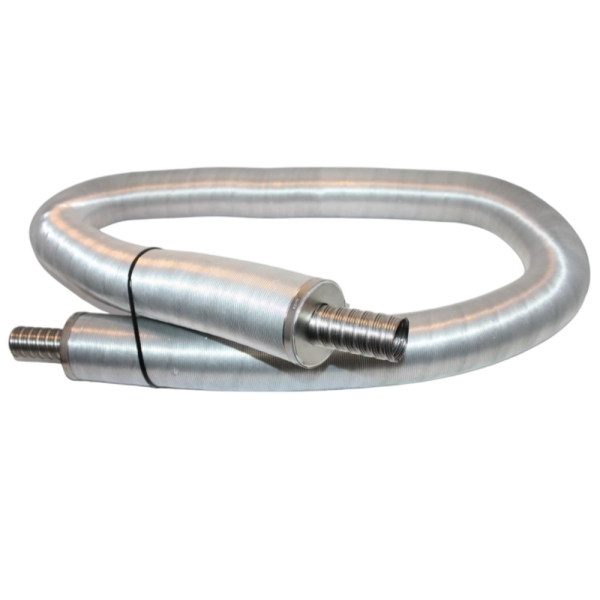
Identify the Combustion-Air Circuit First
A diesel air heater has separate paths for burner air, combustion exhaust and the air used to heat the cabin. A request for a “heater air intake hose” is therefore incomplete until the connection is identified. The heating-air inlet and the combustion-air inlet do not perform the same job.
| Circuit | Purpose | Purchasing distinction |
|---|---|---|
| Combustion-air intake | Delivers air to the burner. | Specify an intake hose and accessories suitable for the exact heater. |
| Cabin heating air | Passes air across the heat exchanger and delivers it to the occupied space. | APK warm air ducting belongs to this separate distribution application. |
| Combustion exhaust | Discharges gases produced by the burner. | Stainless steel diesel heater exhaust hose is an exhaust-side component, not a default intake substitute. |
Label each connection on a photograph or drawing before requesting replacement parts. Keep combustion-air intake pipe, hot-air ducting and exhaust pipe as separate items in the bill of materials.
22mm, 24mm or 25mm Combustion Air Hose?
Manufacturer catalogs include different combustion-air hose diameters, including 22mm, 24mm and 25mm. These are model-specific dimensions, not interchangeable descriptions of one universal parking heater intake hose. Do not assign a size from the heater's advertised power rating alone.
| Requested size | What to verify | What not to assume |
|---|---|---|
| 22mm combustion air hose | Confirm the specified hose bore and the mating connection for that heater. | That every compact diesel heater uses the same inlet. |
| 24mm combustion air hose | Identify the intake part and distinguish it from any exhaust component with the same size label. | That 24mm always identifies an exhaust pipe. |
| 25mm combustion air hose | Confirm the approved intake construction and the dimensions of any silencer connection. | That a nominal 25mm hose can replace a specified 24mm hose. |
The sizes above are selection references, not a BSTFLEX stock or universal-compatibility declaration. For a quotation, identify whether the dimension is the hose inside diameter, outside diameter or a connector measurement.
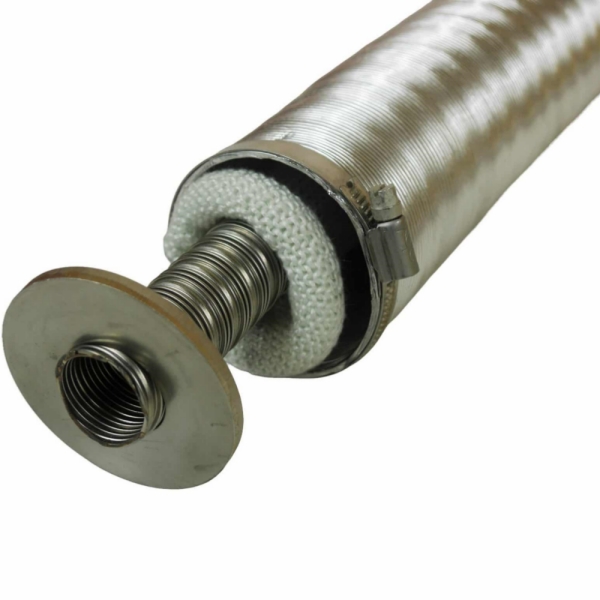
Confirm the End Connection Before Choosing the Wall
For a hose that fits over a spigot, measure the spigot outside diameter and the hose's usable inside opening. Record the engagement length, retention method and any special end geometry. For a threaded or proprietary connection, provide the matching part drawing instead of reducing the specification to one diameter.
Use an undamaged reference sample where possible. A crushed or stretched old hose can give a misleading measurement. Record both ends independently when the assembly includes an intake silencer, adapter or protective cap.
For OEM sampling, propose a fit trial on production-representative mating parts. Agree the acceptance criteria before evaluating assembly effort, end damage and retention. Do not treat successful hand assembly as proof that the complete intake system is approved.
Material Selection Requires More Than Heat Resistance
Specify the intake-hose construction required by the heater manufacturer. Include the expected local temperature, moisture exposure, abrasion conditions and routing shape in the inquiry. A material described only as “high temperature” does not answer these application questions.
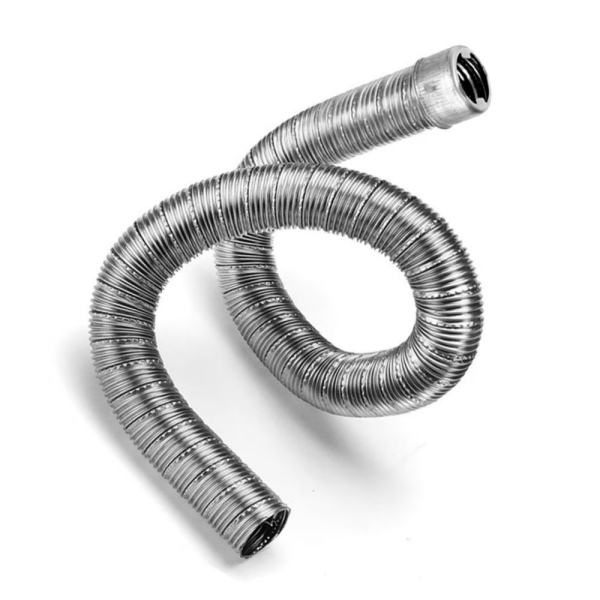
Do not automatically substitute ordinary ventilation ducting, a paper-covered preheater tube or stainless steel exhaust pipe. Even where a material appears more heat resistant, its stiffness, connection behavior and flow characteristics may differ from the intended intake component.
For a proposed alternative construction, ask the heater supplier or responsible system engineer what validation is required. Keep any sample development separate from claims of heater-manufacturer approval.
Where Should the Combustion-Air Inlet Be Located?
Do not draw combustion air from a passenger cabin or occupied living space. Follow the heater's instructions for the air source and terminal position. Any permitted ventilated-compartment arrangement must be assessed for that installation; an apparently empty locker is not automatically an acceptable intake location.
Prevent exhaust recirculation into the intake. Review the heater exhaust, nearby engine exhausts and the effect of the surrounding bodywork or enclosure. Use the separation and positioning requirements specified for the heater rather than an arbitrary distance copied from another installation.
Keep the inlet protected against blockage and spray. Check exposure to road debris, snow and vehicle movement, and follow the specified opening orientation. Do not place the terminal where luggage, stored equipment or a later panel installation can close off its air supply.
Plan the Hose Route Without Creating Water Traps
Avoid crushed sections and unsupported low points. Follow the manufacturer's requirements for routing, support and condensate management. Do not drill a drain hole, seal an existing opening or change the terminal arrangement unless the instructions for the exact assembly permit it.
For the installation drawing, mark panel crossings, support positions and nearby hot or moving parts. Identify any required edge protection and leave access to inspect the hose and inlet. Keep the intake clear of direct exhaust contact.
Protecting the opening must not obstruct the air path. Use the specified terminal components. A home-made cover or tightly packed protective material is not a substitute for an approved intake arrangement.
Check Length, Bends and Accessories as One Intake Assembly
There is no maximum combustion-air hose length that can be applied to every diesel heater. The permitted arrangement may depend on the heater model, hose diameter, bends and selected accessories. Some installation instructions also link intake limits to the exhaust configuration.
Check both minimum and maximum requirements where stated. Do not remove a required hose or silencer to create the shortest possible route, and do not interpret a supplier's roll length as an allowable installation length.
When relocating an inlet, assess the original hose plus the extension and accessories. Obtain confirmation for the revised arrangement before producing extension kits. A longer intake route needs its own review; it does not inherit the limits for cabin warm-air ducting.
An Intake Silencer Is Not Automatically an Air Filter
A combustion-air silencer addresses intake noise. A filter or protective inlet cap addresses a different requirement. Do not describe every intake muffler as a filter unless the selected component has a documented filtration function.
BSTFLEX lists a combustion air silencer for intake-side noise control. For a project inquiry, confirm its connection dimensions, mounting requirements and suitability for the intended heater rather than assuming compatibility from the product name.
Where dusty operation requires filtration, use the heater manufacturer's specified option and maintenance instructions. Do not add improvised foam, cloth or a generic filter without approval for the resulting restriction and service conditions.
Different Installations Need Different Exposure Checks
Vans, RVs and Trucks
Review the intake terminal in the finished vehicle, including any steps, storage boxes, chassis accessories and underbody panels. Record where road spray or accumulated debris could reach it. Retain the approved inlet position in the installation drawing so subsequent conversions do not move it into an unsuitable space.
Boats and Marine Heaters
Use the approved marine intake arrangement. Evaluate ventilation, spray and potential water ingress with the vessel's operating conditions in mind. Do not identify a compartment as suitable merely because it is outside the sleeping cabin. The intake location and its relationship to the exhaust require review by a qualified marine heater installer.
When Should an Existing Intake Hose Be Replaced?
After the heater has been shut down according to its instructions and allowed to cool, inspect accessible hose sections for splitting, crushing, loose connections or damage at supports. Check that the terminal and any specified protection remain clear and correctly attached.
A damaged hose or a changed installation deserves review before reuse. Starting problems, unusual noise or repeated fault shutdowns are not proof that the hose alone is responsible. Record the fault information and have the complete heater system checked rather than repeatedly resetting it or bypassing protective functions.
Prepare a Complete OEM Intake-Hose Inquiry
Use the following as a proposed purchasing checklist. It defines information to exchange, not a claim that a particular hose has already passed testing or received installation approval.
| Specification item | Information to provide |
|---|---|
| Heater reference | Exact model, relevant installation instructions and original part reference where available. |
| Connection details | Hose bore, mating dimensions, engagement, clamps or proprietary fittings at both ends. |
| Complete route | Installed length, bend locations, inlet position and available clearance. |
| Construction and exposure | Approved wall specification and anticipated temperature, moisture, abrasion and contamination. |
| Intake accessories | Silencer, filter or protective cap, including the required part configuration. |
| Sample acceptance | Required fit checks, system validation, documents and approval responsibility. |
| Supply requirements | Sample and production quantities, cut lengths, identification and packing requirements. |
Keep the approved drawing, material reference and accessory configuration together. Review proposed substitutions before repeat production, especially where the replacement changes the air source, connection method or restriction.
Send Your Combustion-Air Intake Requirements
BSTFLEX lists combustion-air silencers, warm-air ducts and heat-protection products within its heater ducting and heat protection tube range. Identify the required circuit when requesting components so an intake inquiry is not quoted as cabin ducting or exhaust pipe.
For a combustion-air hose project, send the heater specification, connection drawing, original sample and proposed route for construction and supply-feasibility review. Confirm suitability for the exact heater before placing a production order.
FAQ: Diesel Heater Combustion Air Intake Hose
What is a diesel heater combustion air intake hose?
It is the hose that supplies air to the heater burner. It is separate from the cabin heating-air duct and the pipe that discharges combustion exhaust.
Are 22mm and 25mm combustion air hoses interchangeable?
No. Select the size and construction specified for the exact heater. Other dimensions, including 24mm, also exist, so confirm the original part and mating connections rather than relying on a general size label.
Can a diesel heater take combustion air from inside the cabin?
No. Combustion air must not be drawn from the passenger cabin or occupied living space. Follow the heater instructions for the permitted air source and inlet location.
How long can a combustion air intake hose be?
Use the limits for the exact heater and intake configuration. Include bends and accessories, and check whether the instructions also account for the exhaust arrangement. Stock length is not an installation limit.
Does a combustion air silencer also work as a filter?
Not necessarily. Noise attenuation and filtration are different functions. Use only the filtration or inlet-protection arrangement specified for the heater and do not assume an intake silencer filters the air.
Can warm-air ducting or exhaust pipe replace an intake hose?
Not automatically. The three circuits have different material, connection and operating requirements. A replacement needs approval for the combustion-air application, even when its diameter appears to match.