čo hľadáš?
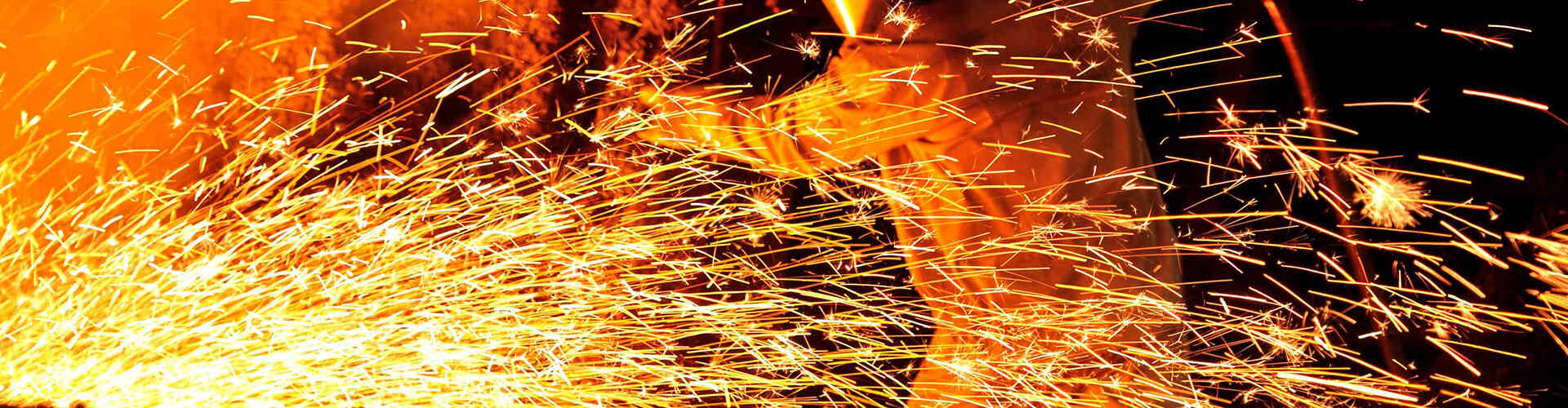
Špecifikácia hliníkového automobilového tepelného štítu iba napísaním „hliníkový plech“ na výkres ponecháva dôležité technické rozhodnutie nevyriešené. Trieda hliníkovej zliatiny ovplyvňuje, ako sa plech správa počas razenia, lisovania a tvarovania, aké mechanické zaťaženie dokáže tolerovať a ako dobre hotový štít odoláva svojmu prevádzkovému prostrediu.
Štyri triedy často zvažované pre aplikácie z tvarovaného hliníkového plechu sú 1050, 1100, 3003 a 5052. Patria do troch rôznych rodín zliatin a nemali by sa považovať za zameniteľné len preto, že sú všetky hliníkové.
Pre vývoj tepelných štítov nie je praktickou otázkou, ktorá zliatina je univerzálne najlepšia. Je to otázka, aká kombinácia zliatiny, popúšťania, hrúbky a tvarovanej geometrie vyhovuje tepelnej zóne a výrobnému procesu hotového komponentu.
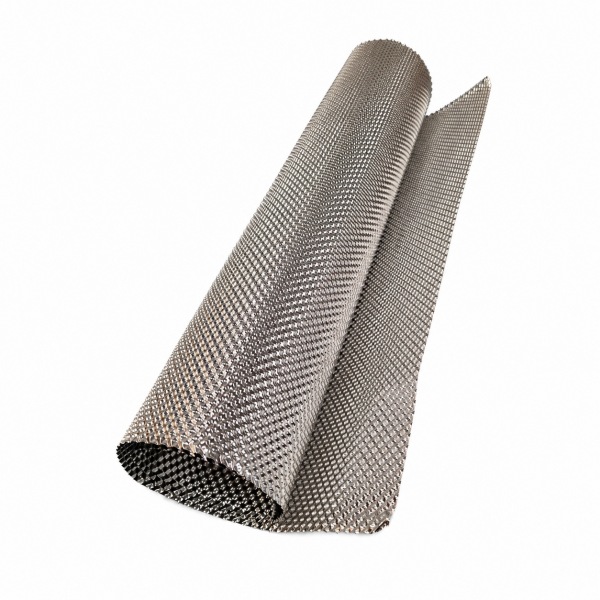
BSTFLEX dodáva reliéfny materiál hliníkového tepelného štítu pre projekty tepelnej ochrany automobilových výfukov, motorového priestoru a podvozku. Zákazníci môžu na vyhodnotenie poskytnúť existujúcu špecifikáciu, výkres alebo informácie o aplikácii.
| Zliatina | Rodina zliatin | Všeobecný charakter | Schopnosť tvarovania | Relatívna pevnosť | Typický dôvod výberu tepelného štítu |
|---|---|---|---|---|---|
| 1050 | 1xxx vysokorýdzí hliník | Veľmi vysoký obsah hliníka | Vynikajúca | Nízka | Hlboké tvarovanie, ľahké tienenie a aplikácie, kde vysoká pevnosť nie je prioritou |
| 1100 | 1xxx komerčne čistý hliník | Vysoko spracovateľný plech na všeobecné použitie | Vynikajúca | Nízka | Tvarované a reliéfne štíty vyžadujúce jednoduchú výrobu |
| 3003 | 3xxx hliník-mangán | Vyvážená pevnosť a tvarovateľnosť | Veľmi dobrá | Stredná | Automobilové štíty vyžadujúce vyššiu tuhosť bez prechodu na vysokopevnostnú zliatinu |
| 5052 | 5xxx hliník-horčík | Plech s vyššou pevnosťou odolný voči korózii | Dobrá | Vyššia | Mechanicky náročnejšie alebo korozívne prostredia vozidiel |
Tabuľka opisuje všeobecné správanie zliatin. Skutočné mechanické vlastnosti silne závisia od popúšťania, hrúbky plechu a histórie spracovania. Plech s popúšťaním O a plech s popúšťaním H z tej istej zliatiny sa môžu počas lisovania a v hotovom diele správať odlišne.
Pevný automobilový tepelný štít musí súčasne plniť dve úlohy. Musí prispievať k tepelnému manažmentu a zároveň sa správať ako vyrobený kovový komponent.
To znamená, že materiál možno bude musieť prejsť niekoľkými operáciami, kým sa dostane do vozidla:
Zliatina, ktorá sa ľahko tvaruje, môže byť atraktívna pre zložité geometrie, ale môže ponúkať nižšiu mechanickú pevnosť. Iná zliatina môže poskytnúť podstatne vyššiu pevnosť, ale vyžadovať iné nástroje, polomery ohybu alebo podmienky tvarovania.
Z tohto dôvodu by mal byť materiál hliníkového tepelného štítu špecifikovaný ako súčasť návrhu komponentu, a nie vyberaný iba na základe všeobecnej požiadavky na teplotu.
1050 patrí do rodiny 1xxx vysokopurifikovaného hliníka. Obsahuje minimálne približne 99,5 percenta hliníka a je známy vynikajúcou spracovateľnosťou, odolnosťou proti korózii a vysokou tepelnou a elektrickou vodivosťou.
Z hľadiska výroby je jeho najužitočnejšou vlastnosťou pre tepelné štíty schopnosť ľahkého tvarovania. Vďaka tomu stojí za zváženie 1050 tam, kde je potrebné tenký hliníkový plech raziť, ohýbať alebo ťahať do relatívne zložitého tvaru a vysoká štrukturálna pevnosť nie je primárnou požiadavkou návrhu.
Hlavným kompromisom je mechanická pevnosť. Zliatiny hliníka s vysokou čistotou sa nevyberajú, keď musí tepelný štít znášať značné mechanické zaťaženie alebo odolávať silnej deformácii.
Ak komponent vyžaduje vyššiu tuhosť alebo odolnosť, projektant môže vyhodnotiť iný stupeň tvrdosti (temper), zmeniť razenú geometriu, upraviť prierez komponentu alebo prejsť na zliatinu, ako je 3003 alebo 5052.
1100 je ďalší komerčne čistý hliník série 1xxx a obsahuje najmenej asi 99 percent hliníka. Rovnako ako 1050, poskytuje vynikajúcu tvarovateľnosť a je široko dostupný v plechových výrobkoch.
Pre výrobu tepelných štítov je 1100 atraktívny, keď diel vyžaduje rozsiahle tvarovanie a nevyžaduje mechanickú pevnosť spojenú s viac legovanými triedami.
1050 a 1100 preto zaberajú podobné územie v procese výberu materiálu. Rozhodnutie medzi nimi je často ovplyvnené špecifikáciami zákazníka, regionálnou dostupnosťou, požadovanou normou, existujúcimi nástrojmi a požiadavkami dodávateľského reťazca, a nie dramatickým rozdielom vo funkcii tepelného štítu.
Pre mnohé projekty automobilových tepelných štítov môžu 1050 a 1100 zaberať podobný konštrukčný priestor, pretože obe sú zliatiny 1xxx s vysokým obsahom hliníka so silnými tvarovacími charakteristikami.
1050 má vyššiu minimálnu čistotu hliníka, zatiaľ čo 1100 obsahuje o niečo viac legujúcich prísad. Praktický význam závisí od špecifikácie hotového komponentu.
Kupujúci by sa preto mal vyhnúť zmene z 1050 na 1100 alebo z 1100 na 1050 len preto, že tieto dve triedy vyzerajú na papieri podobne. Ak má diel už schválený výkres alebo materiálovú špecifikáciu OEM, mala by sa zachovať špecifikovaná trieda, pokiaľ nebola alternatíva technicky overená.
3003 sa vzďaľuje od komerčne čistého hliníka a prechádza do hliníkovo-mangánovej rodiny 3xxx. Mangán je hlavnou legujúcou prísadou a dodáva 3003 vyššiu pevnosť než majú zliatiny série 1xxx, pričom si zachováva užitočnú tvárnosť a odolnosť proti korózii.
Táto rovnováha robí 3003 obzvlášť zaujímavou pre automobilové tepelné štíty.
Tvarovaný štít často potrebuje viac než len jednoduché lisovanie. Môže tiež vyžadovať dostatočnú tuhosť, aby si udržal svoju geometriu na širokom povrchu, odolal poškodeniu pri manipulácii a zostal stabilný po inštalácii. 3003 ponúka praktickú strednú cestu medzi vysoko tvárnym čistým hliníkom a pevnejšou rodinou 5xxx.
Výber materiálu v automobilovom priemysle často zahŕňa kompromisy.
Veľmi mäkký a vysoko tvárny plech sa môže ľahko lisovať, ale vyžaduje si dodatočnú geometriu na dosiahnutie požadovanej tuhosti komponentu. Pevnejšia zliatina môže zlepšiť robustnosť, ale urobiť náročné tvarovacie operácie menej zhovievavými.
3003 je užitočná, pretože poskytuje vyššiu mechanickú pevnosť než komerčne čisté triedy 1xxx, pričom zostáva vhodná pre mnohé konvenčné operácie tvárnenia plechu.
Pre OEM kupujúcich, ktorí ešte nestanovili zliatinu, je preto 3003 jednou z tried, ktoré stojí za to zvážiť, keď aplikácia vyžaduje flexibilitu tvarovania aj mierny štrukturálny výkon.
5052 patrí do hliníkovo-horčíkovej série 5xxx. V porovnaní s 1050, 1100 a 3003 posúva výber materiálu smerom k vyššej mechanickej pevnosti a odolnosti pri náročnej prevádzke.
Prísada horčíka je zodpovedná za veľkú časť tejto zmeny vo výkone. 5052 je široko cenená pre svoju odolnosť proti korózii, ako aj pre svoju pevnosť medzi bežne používanými hliníkovými zliatinami na plechy, ktoré nie sú tepelne spracovateľné.
Pre automobilové tepelné štíty môžu byť tieto vlastnosti užitočné tam, kde je panel vystavený drsnejším mechanickým alebo environmentálnym prevádzkovým podmienkam.
Nie. Vyššia pevnosť automaticky neznamená lepší materiál tepelného štítu.
Ak si veľmi zložitý komponent vyžaduje rozsiahle hlboké ťahanie, mäkšia zliatina s vysokou čistotou môže byť ľahšie vyrobiteľná. Ak je štít veľký, ale málo zaťažený, dodatočná pevnosť môže priniesť malý úžitok a zároveň zvýšiť náklady na materiál alebo náročnosť tvarovania.
Správna otázka znie, či hotový komponent skutočne potrebuje dodatočnú pevnosť a korózny výkon, ktoré poskytuje 5052.
Toto porovnanie je do značnej miery voľbou medzi maximálnou flexibilitou tvarovania a dodatočnou mechanickou pevnosťou.
1050 je atraktívna tam, kde je žiaduca vysoká čistota a ľahká deformácia. 3003 pridáva mangán a poskytuje pevnejší plech pri zachovaní dobrých výrobných charakteristík.
Pre relatívne jednoduchú sálavú bariéru s požiadavkami na hlboké tvarovanie môže 1050 postačovať. Pre väčší lisovaný štít vyžadujúci väčšiu prirodzenú pevnosť panelu môže 3003 ponúknuť vhodnejšiu rovnováhu.
Rozdiel sa stáva výraznejším pri porovnaní 3003 s 5052.
3003 je všeobecná hliníkovo-mangánová zliatina s miernou pevnosťou a dobrou tvárnosťou. 5052 je pevnejšia hliníkovo-horčíková zliatina s obzvlášť dobrou odolnosťou proti korózii.
Typická logika výberu je:
Toto nenahrádza inžinierske overenie. Tvrdosť, hrúbka a geometria hotového dielu zostávajú kritické.
Jeden z najdôležitejších detailov v dopyte (RFQ) na hliníkový tepelný štít sa často prehliada: tvrdosť.
Bežné stavy hliníkových plechov môžu zahŕňať označenia ako:
Tieto označenia opisujú, ako bol hliník spracovaný, a ovplyvňujú mechanické vlastnosti a správanie pri tvárnení.
Napríklad mäkký žíhaný stav môže byť zvolený pre náročné operácie tvárnenia, zatiaľ čo spevnený stav môže poskytnúť vyššiu pevnosť hotového plechu.
Preto by užitočná špecifikácia mala uvádzať viac než len:
„3003 hliník, 0,5 mm.“
Úplná požiadavka by mala definovať zliatinu a tvrdosť spoločne vždy, keď bol komponent už navrhnutý pre konkrétny stav materiálu.
Základná zliatina nie je jediným zdrojom tuhosti panelu.
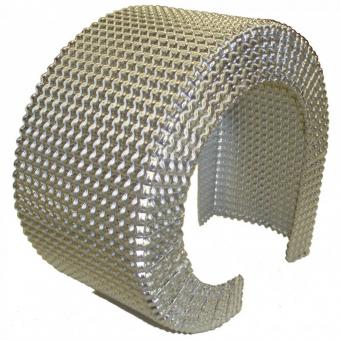
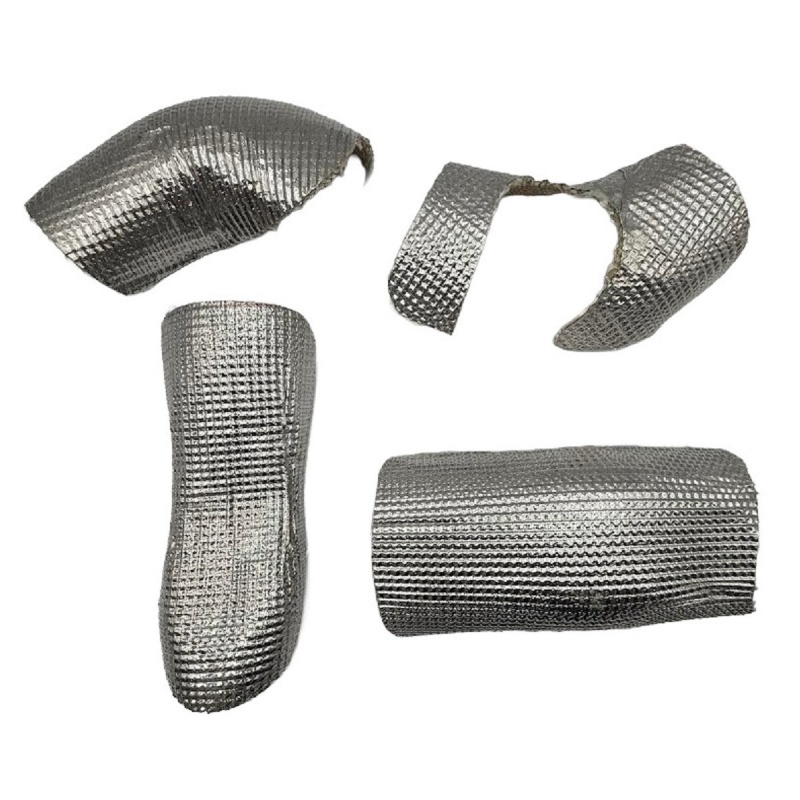
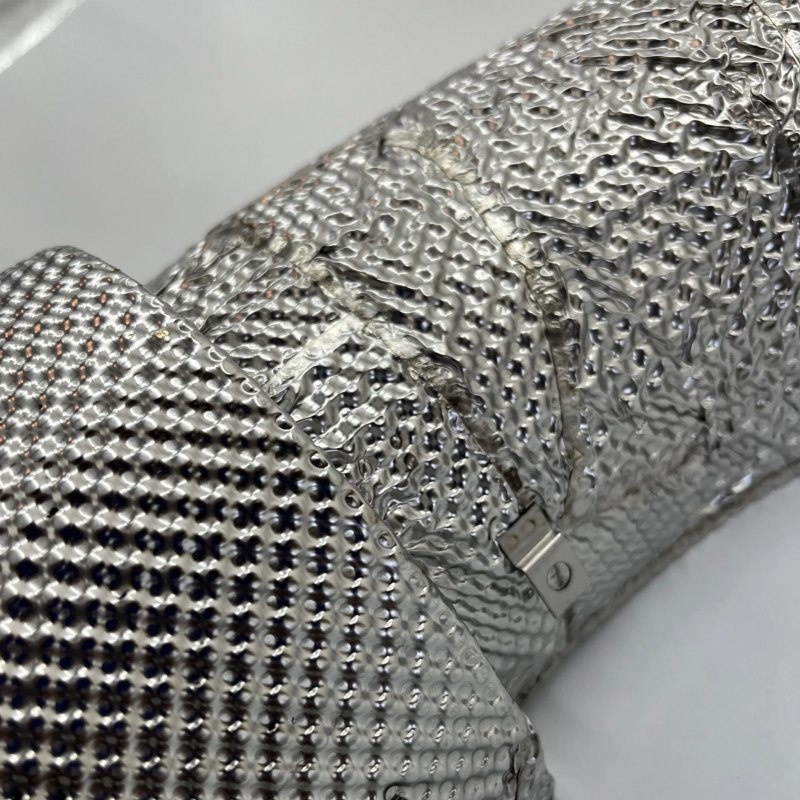
BSTFLEX hliníkový tepelnoizolačný plech s reliéfnym vzoromvyužíva tvarovanú povrchovú geometriu na zvýšenie štrukturálnej stability tenkého hliníka.
V dôsledku toho by inžinieri mali zvážiť tri premenné spoločne:
| Premenná | Čo ovplyvňuje |
|---|---|
| Zliatina | Základná pevnosť, tvárniteľnosť, odolnosť proti korózii a reakcia na výrobu |
| Tvrdosť | Tvrdosť, pevnosť a schopnosť tvárnenia |
| Geometria razenia | Tuhosť panelu, rozmerová stabilita a reakcia na vibrácie |
Zmena jednej premennej môže ovplyvniť požiadavky na ostatné. Tepelný štít by preto nemal byť optimalizovaný len podľa čísla zliatiny.
Pre sálavé bariéry v motorovom priestore môžu byť kandidátmi 1050, 1100 a 3003, v závislosti od geometrie komponentu a požiadaviek na tuhosť.
Hlboko tvárnený diel môže profitovať z vysoko tvárniteľnej triedy. Široký panel vyžadujúci väčšiu tvarovú stabilitu môže odôvodniť použitie 3003 alebo spevneného stavu.
5052 možno zvážiť, keď sú nároky na mechanickú odolnosť alebo vystavenie korózii vyššie.
Štíty podvozku čelia viac než len teplu. Môžu sa tiež stretnúť s vodou, cestnými nečistotami, vibráciami a úlomkami.
Z tohto dôvodu inžinieri zvyčajne kladú väčší dôraz na odolnosť proti korózii a mechanickú stabilitu, než by to bolo pri chránenej bariére v motorovom priestore.
3003 môže ponúknuť užitočnú rovnováhu medzi pevnosťou a tvárniteľnosťou pre mnohé konštrukcie podvozku. 5052 sa stáva atraktívnym, keď sú prioritou vyššia pevnosť a odolnosť voči vplyvom prostredia.
Tam, kde tepelná zóna prekračuje praktické limity zvolenej hliníkovej konštrukcie, riešením by nemalo byť jednoducho zvolenie silnejšej hliníkovej zliatiny. Inžinier by mal namiesto toho vyhodnotiť vzdialenosť štítu, viacvrstvové prevedenie alebo iný kov, ako napríklad materiál tepelného štítu z nehrdzavejúcej ocele.
To, či je hliník vhodný v blízkosti výfukového potrubia, závisí od skutočného tepelného prostredia, vzdialenosti od zdroja tepla, prúdenia vzduchu a konštrukcie štítu.
Samotná trieda zliatiny na túto otázku neodpovie.
Pevnejší hliník, ako napríklad 5052, automaticky nerobí materiál vhodným pre tepelné podmienky, ktoré presahujú to, čo znesie zostava hliníkového štítu. Mechanická pevnosť a tepelná vhodnosť sú odlišné inžinierske problémy.
Pre náročné miesta na strane výfuku, nehrdzavejúca oceľ alebo, v extrémnych systémoch,materiál tepelného štítu Inconel 625môže byť vhodnejší.
Bod topenia sa niekedy v online porovnaniach tepelných štítov používa, akoby išlo o hodnotenie prevádzkovej teploty. Pre konštruovaný komponent vozidla je tento prístup neúplný.
Kov sa nemusí roztaviť, aby sa jeho mechanické vlastnosti, oxidačné správanie alebo rozmerová stabilita stali pre danú aplikáciu neprijateľnými.
Výber automobilového tepelného štítu by mal namiesto toho zohľadňovať:
Preto môže porovnanie zliatin založené len na teplote topenia viesť k zlému rozhodnutiu o materiáli.
Zväčšenie hrúbky plechu zvyšuje mechanickú pevnosť a tuhosť, ale zároveň zvyšuje hmotnosť dielu a spotrebu surovín.
Automobilový tepelný štít môže dosiahnuť štrukturálnu stabilitu kombináciou výberu zliatiny, stavu (temper), razenia a geometrie tvarovaného komponentu.
Z tohto dôvodu by sa minimálna praktická hrúbka mala stanoviť na základe návrhu hotového dielu a požiadaviek na validáciu, namiesto kopírovania z nesúvisiaceho tepelného štítu.
Pre nový projekt OEM alebo projekt náhrady poskytnite čo najviac z nasledujúcich informácií:
| Položka RFQ | Príklad informácií |
|---|---|
| Aplikácia | Motorový priestor, výfukový tunel, katalyzátor, tlmič výfuku alebo podvozok |
| Zliatina | 1050, 1100, 3003, 5052 alebo odporúčanie dodávateľa |
| Stav (temper) | O, H14, H24, H32 alebo požiadavka výkresu |
| Hrúbka | Špecifikovaná menovitá hrúbka |
| Povrch | Plochý alebo razený |
| Vzor razenia | Existujúci vzor, výkres, vzorka alebo požadovaný dizajn |
| Forma dodávky | Tabuľa, zvitok, výstrižok alebo hotový diel |
| Rozmery | Šírka, dĺžka a rozmery komponentu |
| Ďalšie spracovanie | Lisovanie, ohýbanie, ťahanie, dierovanie alebo orezávanie |
| Množstvo | Požiadavka na prototyp a ročný objem výroby |
Niekedy áno, ale zámena by sa nemala robiť len na základe názvov zliatin.
Zmena zo 1050 na 1100 sa môže zdať relatívne malá, zatiaľ čo zmena zo 1050 na 5052 predstavuje oveľa väčší posun v pevnosti a tvárniacich charakteristikách. Aj keď dva materiály môžu plniť rovnakú tepelnú funkciu, proces lisovania môže vyžadovať iné parametre.
Pred schválením zámeny skontrolujte:
Nie každý kupujúci začína s kompletnou špecifikáciou materiálu. Pri projektoch prototypov a zákazkových tepelných štítov môže byť východiskovým bodom existujúci diel, výkres alebo jednoducho problém s inštaláciou.
V takejto situácii poskytnite:
Tieto informácie umožňujú vyhodnotiť výber materiálu spolu s hrúbkou a konštrukciou razenia.
BSTFLEX vyrába razený hliníkový materiál tepelnej bariéry pre automobilové a priemyselné aplikácie tepelného manažmentu.
Projekty môžu byť vyvinuté podľa výkresov zákazníka, vzoriek a špecifikácií materiálu, pričom premenné ako zliatina, stav, hrúbka, rozmery tabule a konštrukcia razenia sa vyhodnocujú podľa finálnej aplikácie.
Pre tepelné zóny vyžadujúce inú skupinu kovov môžu zákazníci tiež vyhodnotiť razený materiál tepelného štítu z nehrdzavejúcej ocele alebo Materiál tepelného štítu Alloy 625 Inconel.
1050, 1100, 3003 a 5052 patria medzi hliníkové zliatiny, ktoré možno zvážiť pre plech automobilového tepelného štítu. Správna zliatina závisí od požadovanej tvarovateľnosti, mechanickej pevnosti, odolnosti proti korózii, geometrie komponentu a prevádzkového prostredia.
1050 môže byť vhodný pre ľahké tvarované tepelné bariéry, kde je dôležitá vynikajúca tvarovateľnosť a vysoká čistota hliníka a komponent nevyžaduje vysokú mechanickú pevnosť.
1100 je komerčne čistý hliník série 1xxx s vynikajúcou tvarovateľnosťou. 3003 obsahuje mangán a ponúka vyššiu mechanickú pevnosť pri zachovaní dobrej tvarovateľnosti. Vďaka tomu môže byť 3003 užitočný pre štíty vyžadujúce väčšiu tuhosť.
3003 poskytuje užitočnú rovnováhu medzi tvarovateľnosťou a strednou pevnosťou. 5052 ponúka vyššiu pevnosť a silnú odolnosť proti korózii. Lepší materiál závisí od hotového komponentu a prostredia, nielen od samotnej pevnosti zliatiny.
5052 možno zvážiť pre aplikácie hliníkových tepelných štítov vyžadujúce vyššiu mechanickú odolnosť alebo odolnosť proti korózii. Jeho vhodnosť pre konkrétne umiestnenie výfuku stále závisí od tepelného zaťaženia, vzduchovej medzery, architektúry štítu a požiadaviek na validáciu.
Nie nevyhnutne. Vyššia mechanická pevnosť sama osebe nestanovuje vyššiu prípustnú prevádzkovú teplotu. Tepelné zaťaženie, správanie zliatiny pri teplote, geometria komponentu a rozostupy štítu sa musia posudzovať samostatne.
Stav ovplyvňuje tvrdosť, pevnosť a tvarovateľnosť plechu. Dva plechy vyrobené z tej istej hliníkovej zliatiny, ale dodané v rôznych stavoch, sa môžu počas razenia, ohýbania a hlbokého ťahania správať odlišne.
Áno. Projekty možno vyvinúť podľa výkresov, vzoriek alebo požiadaviek aplikácie. Kupujúci by mali uviesť preferovanú zliatinu a stav, ak sú špecifikované, spolu s hrúbkou, rozmermi, požiadavkami na razenie a očakávaným množstvom výroby.
Tieto štyri zliatiny predstavujú skôr rôzne priority než jednoduchý postup od horšieho k lepšiemu.
1050 je silným kandidátom, keď sú prioritou vysoká čistota a vynikajúca tvarovateľnosť.
1100 poskytuje podobné výhody ako široko používaný komerčne čistý hliníkový plech.
3003 je užitočný, keď tepelný štít potrebuje lepšiu rovnováhu medzi tvarovateľnosťou a mechanickou pevnosťou.
5052 smeruje k vyššej pevnosti a náročnej odolnosti v prostredí.
Konečná špecifikácia by mala kombinovať zliatinu, stav, hrúbku, geometriu razenia a dizajn komponentu. Pre projekty OEM pošlite BSTFLEX svoj výkres, vzorku, prevádzkové prostredie a množstvo, aby sa konštrukcia hliníkového tepelného štítu mohla posúdiť ako kompletný komponent, a nie ako trieda plechu izolovane.

No.10, Chuangxin North Road, Nanshan Park, Ningguo Economic and Technological Development Zone, Ningguo City, Anhui Province, China
tel/Whatsapp : 0086-15856303740
email : sales@bstbraidedsleeve.com
Skype : vanesa-cheng