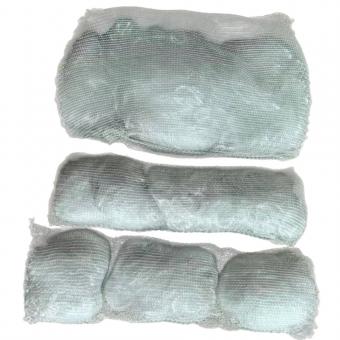
čo hľadáš?
A muffler repacking kit should be specified as a bill of materials for one defined silencer, not simply as a bag of exhaust packing. For OEM and private-label supply, the buyer needs to confirm which acoustic material, protective layer, retaining component, fasteners, labels and instructions are included in each package.
A kit may contain fiberglass packing only, or it may combine a primary acoustic filling with stainless steel wool, a retaining screen and installation hardware. These parts perform different functions and should remain separate line items in the approved specification.
The existing BSTFLEX Muffler Repacking Kit provides a multi-component starting configuration. For a production or branded aftermarket program, confirm the material grades, component dimensions, quantities and packaging for the actual silencer before approving repeat orders.
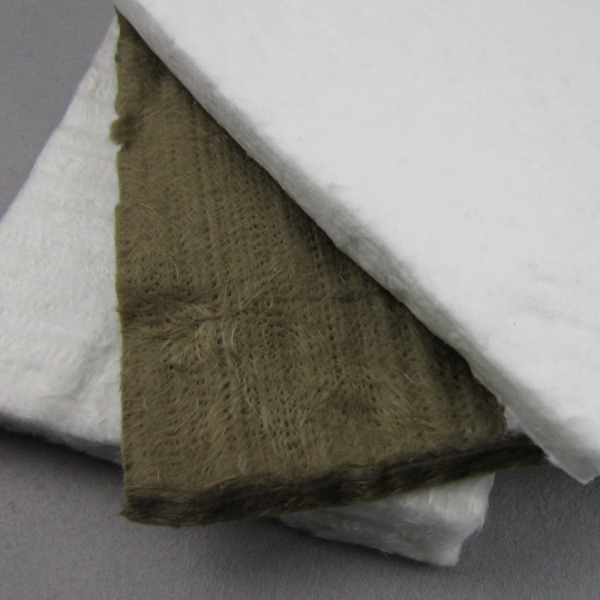
The phrase muffler repacking kit does not establish what is inside the package. Two products sold under the same general name may contain very different materials and installation parts.
A useful kit specification identifies every supplied component and its function:
| Kit Component | Primary Function | What the Purchase Specification Should Define |
|---|---|---|
| Acoustic packing material | Fills the specified region around the perforated core and provides the main fibrous acoustic layer. | Material family, grade, supplied form, dry filling weight, dimensions and quantity. |
| Stainless steel wool | May provide a metallic core-side layer that helps protect the surrounding acoustic packing. | Alloy, fiber grade, width, length, mass and installation position. |
| Retaining screen or mesh | Contains packing and supports its position during assembly and service. | Alloy, wire construction, sheet size, layer count, edge finish and quantity. |
| Fasteners | Secure the end cap or other serviceable muffler components. | Type, material, diameter, grip range, head style and quantity. |
| Installation aids | Temporarily hold material or assist placement where the approved process requires them. | Material, position, quantity and whether the aid remains in the finished silencer. |
| Instructions and labels | Identify the product and communicate the approved installation sequence. | Language, model reference, part number, safety information and revision control. |
| Retail or OEM packaging | Protects, identifies and groups the supplied components. | Individual bag, label, barcode, quantity per carton and customer branding. |
Do not allow a generic kit title to replace this bill of materials. The approved contents should appear on the drawing, packaging specification or purchase order.
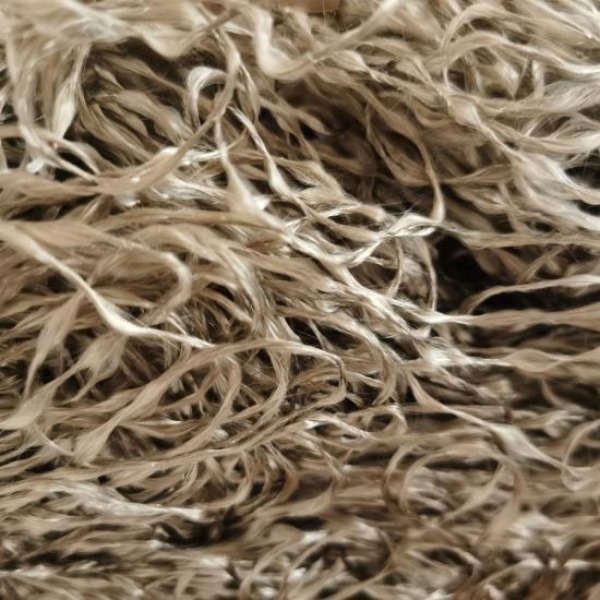
The existing BSTFLEX kit uses a combination of:
This configuration provides a useful starting point for silencers using a layered packing system. It should not be interpreted as the mandatory content of every custom kit.
For an OEM or distributor project, confirm:
Where another material or component arrangement is required, use the complete BSTFLEX Muffler Packing range as the material-selection starting point.
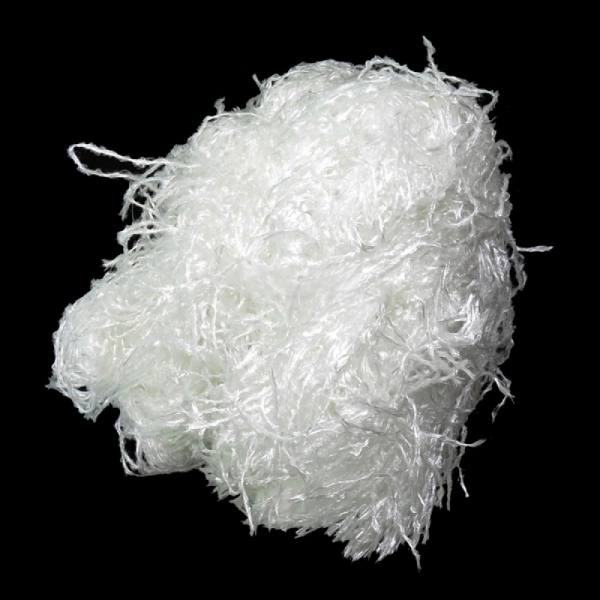
The main acoustic filling may use fiberglass, basalt fiber, ceramic fiber or another approved construction. The kit specification should identify the actual material rather than relying only on broad descriptions such as muffler wool or high-temperature packing.
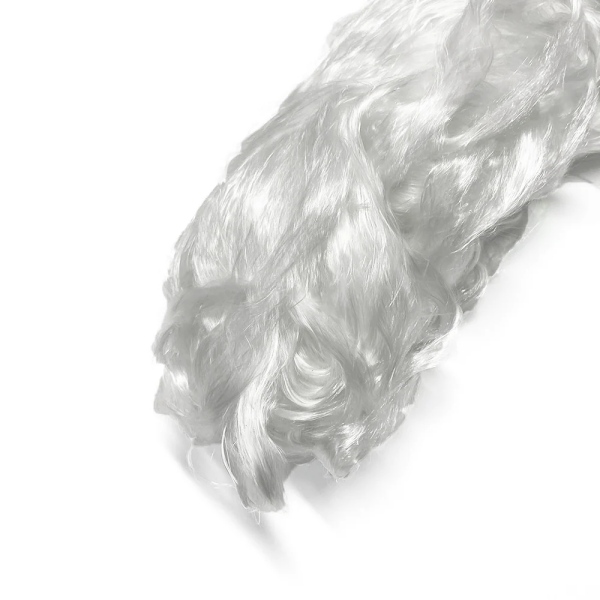
Fiberglass is widely used in motorcycle, powersports and performance exhaust silencers. It may be supplied as a mat, loose filling, yarn-based material or a contained component.
For a mat-based kit, review the BSTFLEX Fiberglass Exhaust Silencer Packing. Define the cut dimensions, thickness, material weight and quantity included in each kit.
Where the approved design calls for basalt fiber, specify whether the kit contains loose fiber, a mat or a compressed component. The material form affects both installation and packaging.
The BSTFLEX Basalt Muffler Packing Kit provides a separate basalt-based product direction. Do not substitute it for fiberglass solely because the outside dimensions appear similar.
A ceramic-fiber option should identify the exact grade, supplied dimensions and handling documentation. A higher catalog temperature number does not, by itself, establish suitability for a particular muffler.
For projects requiring ceramic material, review the BSTFLEX Ceramic Fiber Muffler Packing and confirm the required sheet or kit dimensions.
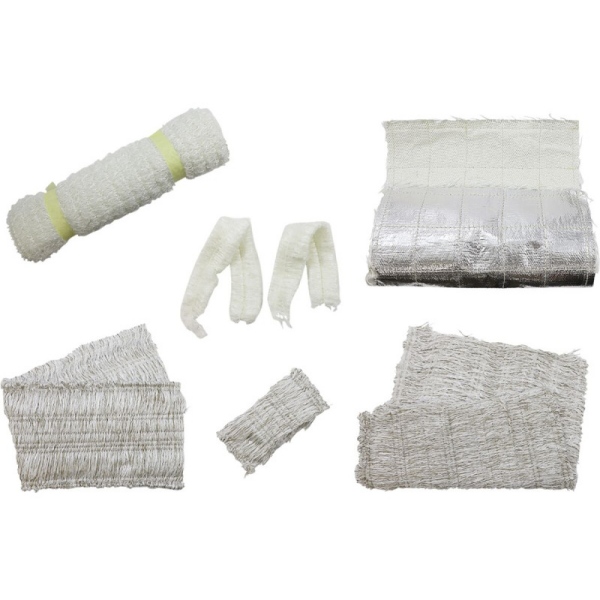
A package size does not establish the amount of acoustic material required by the silencer. For repeatable supply, specify the approved dry packing weight for each kit.
Keep the following values separate:
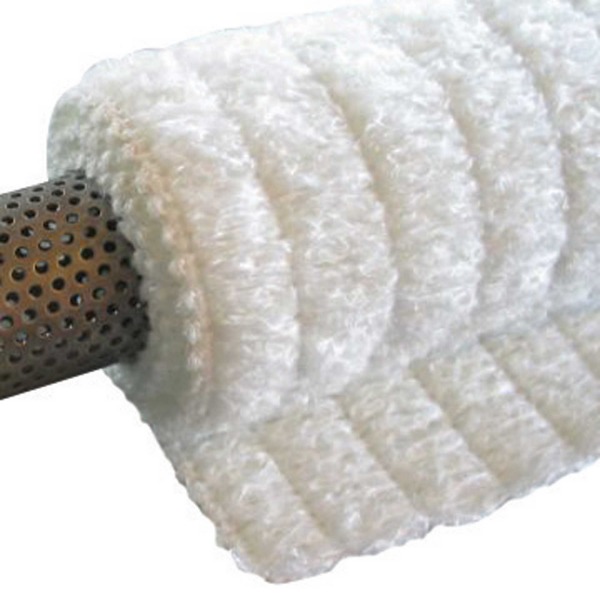
This distinction is particularly important when purchasing a contained packing component. For example, the BSTFLEX Fiberglass Muffler Packing Sock includes both glass-fiber filling and a woven glass-mesh cover. The filling weight and the finished component weight are not the same measurement.
A kit should not be approved only because its total package weight matches an earlier product. Confirm which part of that weight is the actual acoustic filling.
Stainless steel wool and a retaining screen may appear together in one exhaust repacking kit, but they do not perform the same function.
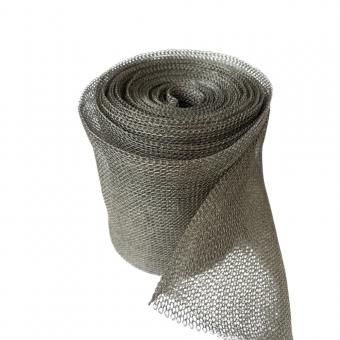
Stainless steel wool can be placed close to the perforated core as a metallic layer. Its specification may include:
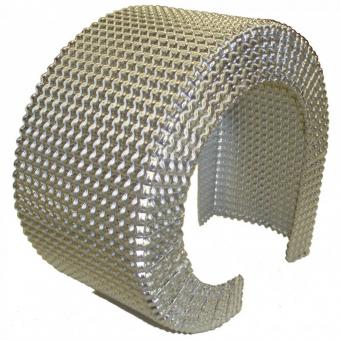
A retaining screen is an open wire structure used to contain the packing. Its specification may include:
For the screen component, review the BSTFLEX Stainless Steel Exhaust Screen for Muffler Packing Retention.
For stainless steel wool supplied separately or converted into the required size, review the BSTFLEX Stainless Steel Wool Muffler Packing.
Do not count the mesh as acoustic-fiber filling, and do not assume that wool alone provides the same containment as the approved screen.
No universal layer arrangement applies to every muffler.
A kit may contain:
The existing silencer design should be the starting point for a replacement program. If a new layer is added or an existing layer is removed, treat the change as a design revision and validate the complete silencer.
Do not add steel wool and mesh simply to make the kit appear more complete. Each part should have a defined purpose and installation position.
Some serviceable mufflers use rivets to secure an end cap. Others use screws, bolts, bands, welded joints or another closure system.
When rivets are included, define:
The phrase heavy-duty rivet is not a complete purchasing specification.
Do not assume that the rivets supplied for one motorcycle muffler will fit another silencer with a similar outside size. Hole diameter, material stack thickness and end-cap construction must be checked.
A universal motorcycle exhaust packing kit normally requires the installer to measure, trim or adapt one or more components. A model-specific kit should have documented fitment to a defined silencer configuration.
| Kit Type | Information Required | Main Risk to Control |
|---|---|---|
| Universal kit | Material dimensions, cutting limits, total filling weight and the range of silencer geometries intended for evaluation. | Installer removes too much material or uses the complete package where only part is required. |
| Model-specific kit | Brand, silencer model, version, production period and approved dimensions. | A product revision or aftermarket core changes the internal geometry. |
| OEM production kit | Customer part number, drawing revision, bill of materials and acceptance criteria. | Unapproved material or packaging changes between production lots. |
| Private-label retail kit | Approved contents plus brand, barcode, language, instructions and sales packaging. | Packaging claims or compatibility statements exceed the validated application. |
Two-stroke or four-stroke identification alone is not sufficient for model-specific fitment. Provide the actual core diameter, shell dimensions and packed length.
For OEM supply, assign each component its own line number and specification reference.
An example structure may include:
| BOM Line | Component Description | Controlled Information |
|---|---|---|
| 01 | Primary acoustic packing | Material, grade, dimensions, dry weight and quantity. |
| 02 | Stainless steel wool layer | Alloy, fiber grade, cut size, mass and quantity. |
| 03 | Retaining screen | Wire specification, dimensions, edge finish and quantity. |
| 04 | Installation fasteners | Fastener specification and quantity. |
| 05 | Instructions | Document number, language and revision. |
| 06 | Product label | Customer part number, barcode and required markings. |
| 07 | Individual package | Bag or box specification and sealing method. |
If a component is optional, state which kit variant includes it. Do not rely on handwritten changes to the packing list for repeat production.
A private label muffler packing kit requires more than placing a logo on a bag. The brand owner should approve the package contents and all product claims.
Packaging fields may include:
Do not place an unverified temperature, service-life or decibel claim on private-label packaging. Any performance statement should correspond to the approved product and the evidence accepted by the brand owner.
BSTFLEX private-label and customized packaging options can be discussed through the OEM Muffler Packing Manufacturing Service.
A kit containing only a packing mat requires different instructions from a kit containing wool, mesh and rivets.
The installation document should identify:
Do not provide one generic instruction sheet for materially different kit constructions simply because they share the same retail product family.
Before approving production, assemble the sample kit in the actual silencer or an agreed representative assembly.
Record:
A package that contains all listed parts has passed a contents check. It has not automatically passed the complete-silencer performance evaluation.
Once accepted, freeze the BOM, drawing revision, label artwork and packaging specification. Agree which changes require customer notification or renewed approval.
Receiving inspection should verify both completeness and technical conformity.
| Inspection Area | Typical Check |
|---|---|
| Kit completeness | Correct number of packing pieces, wool sections, screens, fasteners and documents. |
| Material identity | Approved material references for acoustic fiber, wool and mesh. |
| Dimensions | Cut length, width, thickness or finished component dimensions. |
| Weight | Dry acoustic packing weight, wool weight or total component weight as specified. |
| Fasteners | Type, size, material and quantity. |
| Packaging | Correct bag, label, barcode, artwork revision and package condition. |
| Traceability | Lot identification and required shipment documents. |
Do not use total package weight as the only receiving check. A missing fastener and excess packing material could produce a similar total weight while leaving the kit incorrect.
For a quotation, send the following information:
Unknown items can be identified as development requirements. They should not be replaced with unsupported assumptions about universal fitment.
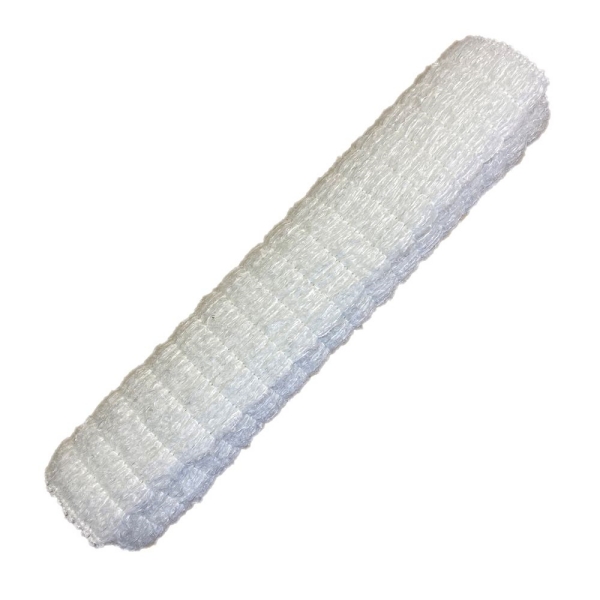
A complete kit contains all components approved for the specified silencer. This may include acoustic packing, stainless steel wool, a retaining screen, fasteners and instructions. Not every silencer requires every component.
No. Rivets are relevant only where the silencer uses a compatible riveted closure. Other mufflers may use screws, bolts, bands, welding or another assembly method.
No. Stainless steel wool is a metallic-fiber material. A packing screen is an open wire structure used for containment. They may be used together but should be specified separately.
Only where the actual silencer dimensions, packing quantity and material requirements have been confirmed. Engine cycle alone does not establish kit compatibility.
BSTFLEX can discuss customer labels, individual packaging, barcodes, part identification and custom component combinations for suitable OEM and private-label projects. Final contents and packaging should be approved before production.
Yes, depending on the required material and order. BSTFLEX supplies acoustic packing, stainless steel wool, retaining screens and fabricated packing components as separate product options as well as in combined kit configurations.
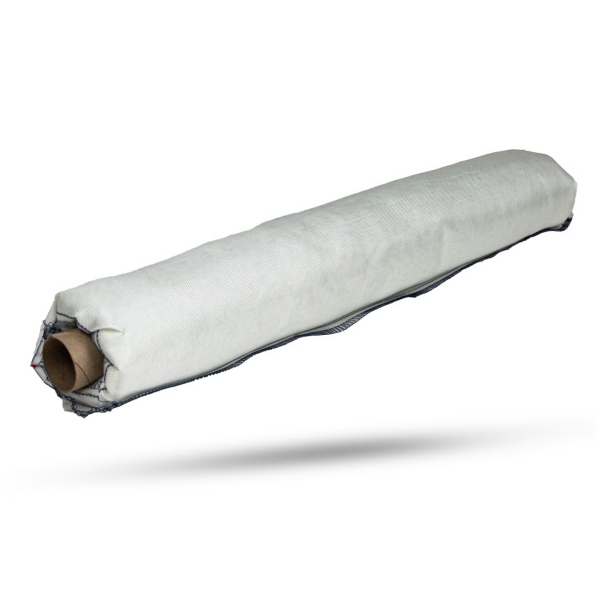
Start with the BSTFLEX Muffler Repacking Kit, then send the silencer dimensions, required material, component list and packaging requirement.
For projects requiring a different packing material or component form, review the complete BSTFLEX Muffler Packing range. Drawing-based development, sample matching, private labeling and repeat production can be discussed through the OEM Muffler Packing Manufacturing Service.
Request a Custom Muffler Repacking Kit and Private-Label Quote

No.10, Chuangxin North Road, Nanshan Park, Ningguo Economic and Technological Development Zone, Ningguo City, Anhui Province, China
tel/Whatsapp : 0086-15856303740
email : sales@bstbraidedsleeve.com
Skype : vanesa-cheng