čo hľadáš?
Horúce výfukové potrubie môže spôsobiť oveľa väčší tepelný problém, než naznačuje jeho priemer.
Vo vozidle, kryte generátora, strojovni lodí alebo priemyselnom stroji môže potrubie viesť len niekoľko centimetrov od elektrického vedenia, hydraulických hadíc, palivových potrubí, panelov karosérie, senzorov alebo servisných priestorov. Keď výfukový systém dosiahne prevádzkovú teplotu, táto malá medzera sa môže stať kritickým bodom v celom tepelnom návrhu.
Toto je miesto, kdeizolácia výfukového potrubiasa stáva nevyhnutným.
Správny izolačný systém dokáže viac než len pokryť horúce potrubie. Musí regulovať teplo a zároveň odolávať vibráciám, opakovaným teplotným cyklom, kontaminácii, pohybu a údržbe.
Z tohto dôvodu je výber izolácie len na základe teplotnej odolnosti zriedkakedy postačujúci.
BSTFLEX sa vyvíjaizolácia tepelného štítu výfukupre automobilové, naftové, lodné, generátorové a priemyselné výfukové systémy vrátane odnímateľných prikrývok pre potrubia, izolácií, tepelných obalov, flexibilných rukávov a kovových tepelných bariér.
Pred výberom izolačného materiálu je potrebné určiť, aký problém je potrebné vyriešiť.
Výfukové potrubie môže potrebovať izoláciu z nasledujúcich dôvodov:
blízky káblový zväzok sa prehrieva;
teplota v kryte je príliš vysoká;
operátori sú vystavení horúcim povrchom;
teplo sa dostáva do palivového alebo hydraulického potrubia;
podlaha vozidla je vystavená nadmernému sálavému teplu;
strojovňa nemá dostatočné vetranie;
výfukové potrubie musí zadržiavať viac tepla po prúde;
okolité zariadenia neznesú aktuálnu teplotu.
Toto sú rôzne problémy.
Môžu vyžadovať rôzne izolačné systémy, aj keď je teplota výfukového potrubia rovnaká.
Napríklad ochrana podlahy vozidla pred sálavým teplom môže uprednostňovať reflexný štít, zatiaľ čo zníženie vonkajšej povrchovej teploty výfukového potrubia generátora môže vyžadovať hrubú odnímateľnú izolačnú vrstvu.
Izolácia výfukového potrubia sa vo všeobecnosti delí na štyri praktické kategórie.
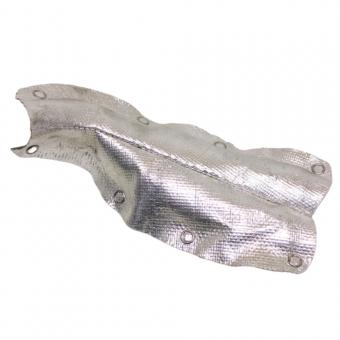
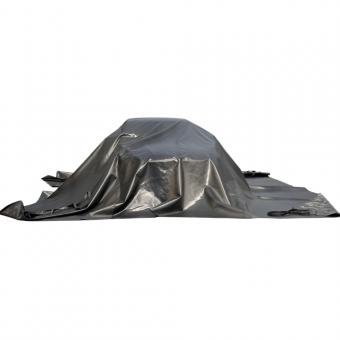
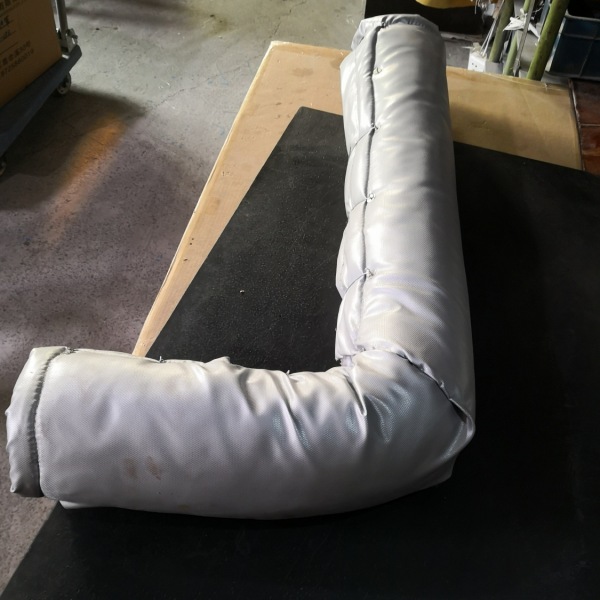
Odnímateľná prikrývka je vyrobená tak, aby vyhovovala konkrétnemu priemeru potrubia alebo geometrii výfuku.
Zvyčajne obsahuje:
vnútorná tepelne odolná vrstva;
tepelná izolácia;
vonkajšia ochranná vrstva;
mechanické upevnenie.
Táto konštrukcia je obzvlášť vhodná tam, kde je dôležitý prístup pre údržbu.
Medzi typické inštalácie patria:
dieselové generátory;
lodné motory;
priemyselné motory;
veľké výfukové potrubia;
tlmiče;
výfukové kolená.
Deka sa môže vyrábať z niekoľkých sekcií namiesto jedného dlhého kusu, čo umožňuje technikom odstrániť iba sekciu potrebnú na kontrolu.
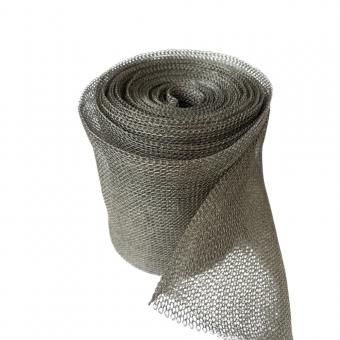
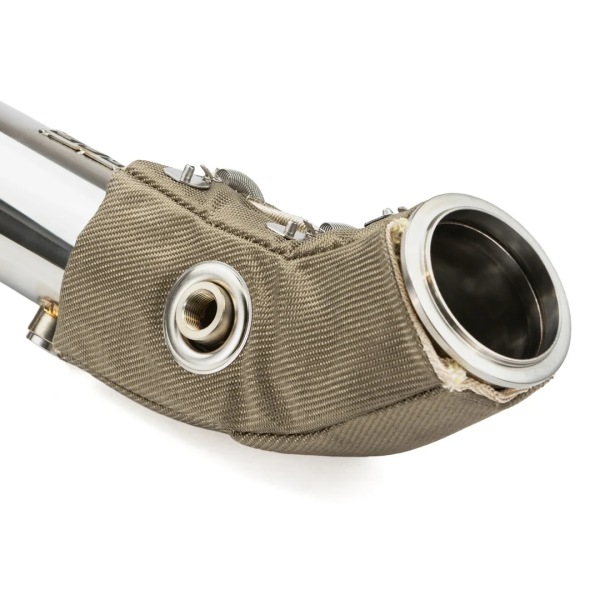
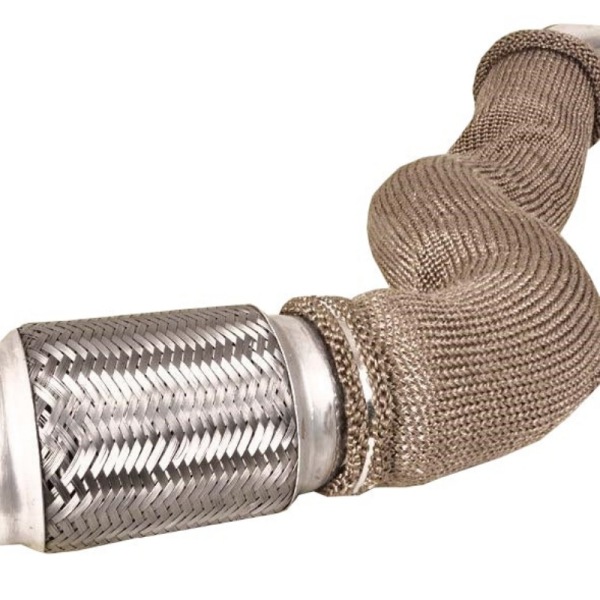
Výfuková fólia sa dodáva v rolkách a je špirálovito navinutá okolo potrubia.
Široko sa používa na:
automobilové zvody;
motocykle;
výkonné výfukové systémy;
výfukové rúry s malým priemerom;
výroba výfukov na mieru.
Dodávky BSTFLEXTepelná fólia výfuku a zvodovv rôznych vysokoteplotných vláknitých konštrukciách.
Obaľovanie poskytuje jednoduchý spôsob izolácie dlhých rúrkových povrchov, ale je menej pohodlné, keď sa výfukový systém musí pravidelne otvárať kvôli údržbe.
Niektoré výfukové potrubia vyžadujú riešenie s objímkou namiesto vyrobeného prikrývky.
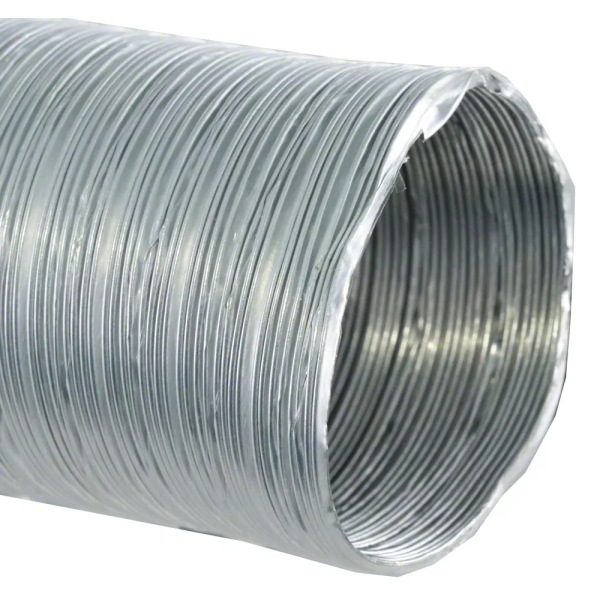
Flexibilné izolačné vrstvy je možné inštalovať na menšie výfukové potrubia, kde je priemer a geometria relatívne jednoduchý.
Napríklad, BSTFLEXIzolácia výfukových plynov naftového ohrievačaje určený pre kompaktné výfukové potrubie používané v aplikáciách, ako sú napríklad naftové vykurovacie systémy.
Riešenia s objímkami a izoláciami môžu byť obzvlášť užitočné tam, kde:
inštalačný priestor je obmedzený;
potrubie je relatívne malé;
je potrebné nepretržité pokrytie;
Inštalácia pevného štítu by bola náročná.
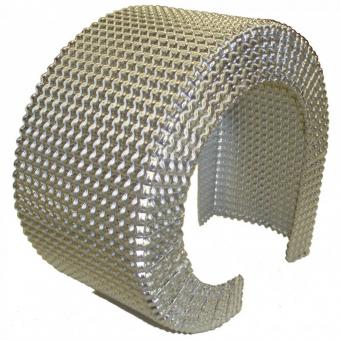
Kovový štít sa nemusí nevyhnutne dotýkať potrubia.
Namiesto toho sa zvyčajne inštaluje s kontrolovanou medzerou medzi štítom a zdrojom tepla.
Toto usporiadanie je obzvlášť účinné na zníženie sálavého tepla smerom k blízkym komponentom.
Medzi bežné materiály patria:
hliník;
nehrdzavejúca oceľ;
reliéfna nehrdzavejúca oceľ;
niklové zliatiny.
Kovový tepelný štít môže byť vhodnejší, keď:
hrúbka inštalácie musí zostať malá;
dôležitá je odolnosť voči mechanickému nárazu;
štít si musí zachovať špecifický tvar;
sálavé teplo je hlavným problémom.
Pre náročné prostredie spoločnosť BSTFLEX vyrába ajTepelný štít zo zliatiny 625 Inconelkomponenty.
Tieto pojmy sa často používajú zameniteľne, ale ich technická funkcia sa môže líšiť.
Izolácia výfukového potrubiazvyčajne obklopuje potrubie a obmedzuje prenos tepla cez izolačnú vrstvu.
Jedentepelný štít výfukového potrubiazvyčajne sa nachádza medzi potrubím a komponentom, ktorý potrebuje ochranu.
Jeden obsahuje teplo.
Druhý ho blokuje alebo presmeruje.
V niektorých výfukových systémoch sa používajú oba.
Dieselový motor môže mať okolo výfukového potrubia odnímateľnú izolačnú vrstvu, zatiaľ čo blízky elektrický kryt chráni štít z nehrdzavejúcej ocele.
That combination can provide better thermal control than either solution alone.
Material selection should begin with continuous operating conditions.
Fiberglass is one of the most widely used materials for exhaust insulation.
Advantages include:
flexibility;
good thermal resistance;
availability in many constructions;
practical manufacturing cost.
Fiberglass can be used in:
blankets;
tapes;
wraps;
sleeves;
composite heat shields.
It is often suitable for moderate and high-temperature exhaust applications where extreme temperature exposure is not continuous.
High silica material is selected when higher heat resistance is required.
It may be used as:
outer fabric;
inner hot-side layer;
insulation textile;
heat-resistant wrap.
Silica constructions are useful around:
turbocharged exhaust systems;
manifolds;
high-output diesel engines;
industrial exhaust equipment.
Basalt-based materials are frequently used in automotive and performance exhaust insulation.
They offer:
flexible installation;
strong heat resistance;
good compatibility with wrapped exhaust tubes.
Basalt is often seen in heat wrap and shaped blanket applications.
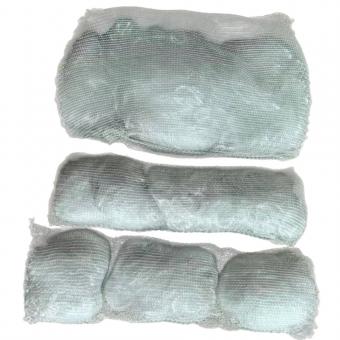
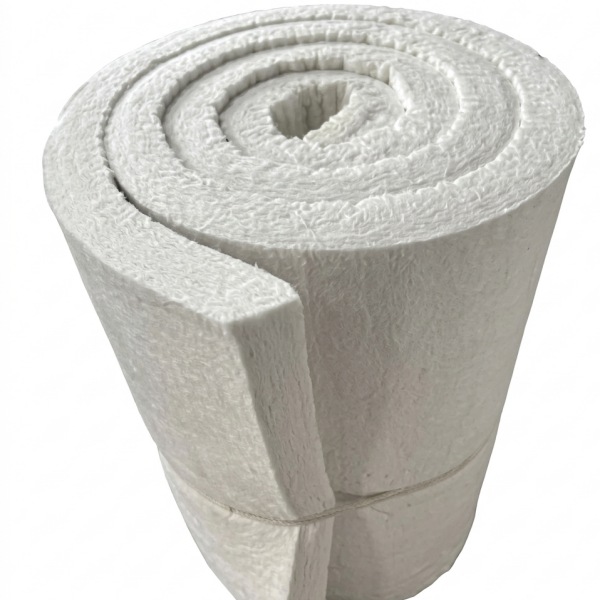
Where a greater temperature reduction is required within limited space, high-temperature insulation cores may be used.
These materials are normally enclosed within:
fiberglass fabric;
silica fabric;
stainless steel foil;
stainless steel mesh.
The insulation core should not be evaluated separately from the blanket construction.
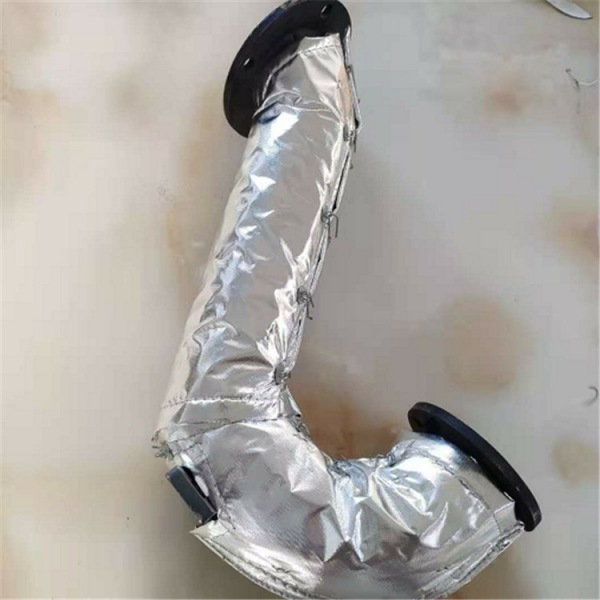
Aluminum is primarily used as a reflective surface rather than a thick insulation medium.
Its low weight makes it particularly suitable for:
automotive underbody protection;
exhaust pipe heat shields;
muffler shields;
vehicle floor insulation.
Stainless steel is preferred where the exhaust heat shield also requires mechanical strength.
It performs well in applications exposed to:
vibration;
road debris;
repeated thermal cycling;
higher temperatures.
Nickel alloys such as Alloy 625 are reserved for demanding environments where temperature, oxidation and corrosion requirements exceed the limits of conventional sheet metals.
A thicker insulation layer generally reduces heat transfer more effectively, but this does not mean the thickest available blanket is automatically the best design.
Increasing thickness can create problems with:
component clearance;
mounting brackets;
adjacent pipe routing;
sensor access;
engine compartment packaging.
In tightly packaged automotive systems, only a few millimeters of space may be available.
In a large generator enclosure, considerably thicker insulation may be practical.
The correct insulation thickness should therefore balance thermal performance with installation geometry.
Diesel exhaust pipes frequently operate for long periods under load.
Heat containment becomes especially important in:
trucks;
construction equipment;
agricultural machinery;
industrial engines;
stationary power systems.
A removablediesel exhaust pipe insulationsystem can reduce heat released into the surrounding engine compartment while still allowing service access.
Generator exhaust piping often runs through compact acoustic enclosures.
This creates a concentrated heat source close to:
electrical cabinets;
acoustic materials;
engine components;
service areas.
A generator exhaust insulation system commonly uses removable sections around pipes, elbows and silencers.
This also allows the insulation to be removed during maintenance without replacing the entire system.
Marine exhaust systems present additional concerns including:
limited ventilation;
moisture;
salt exposure;
vibration;
restricted service space.
For dry marine exhaust systems, segmented blankets are often preferred because they allow easy access to flanges and exhaust connections.
Passenger and performance vehicles use exhaust insulation for:
headers;
downpipes;
catalytic converters;
center exhaust pipes;
mufflers.
Depending on available space, solutions may include:
wrap;
shaped blanket;
metal shield;
reflective barrier.
Industrial engines and machinery may use large-diameter exhaust lines that require customized blanket sections.
These applications often place greater importance on:
durability;
repeatable installation;
service access;
identification of individual insulation sections.
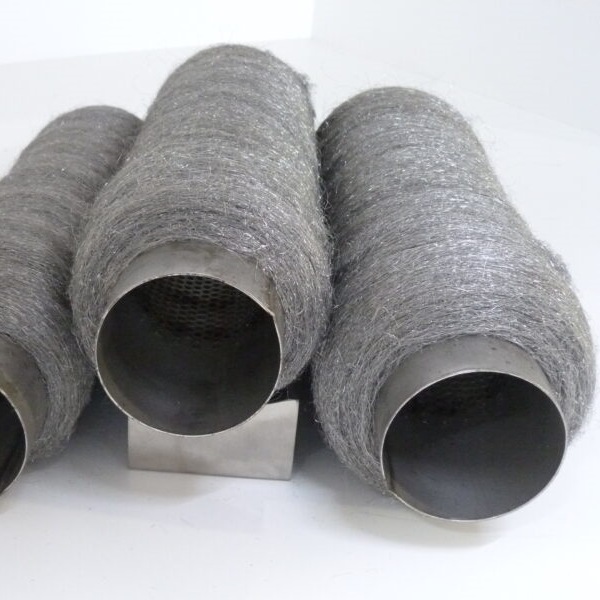
A bend is often more difficult to insulate than a straight pipe.
Wrap can follow gradual bends, but large industrial elbows may benefit from a fitted insulation blanket.
The BSTFLEXThermal Insulation Elbow Blanketis designed for curved exhaust geometry where a standard flat insulation section cannot maintain consistent coverage.
A well-designed elbow blanket should consider:
bend radius;
flange position;
pipe diameter;
seam location;
fastener access.
One of the most common weaknesses in an exhaust insulation system is the flange area.
A thick blanket may work well on the pipe but leave a large exposed metal flange.
That exposed section can become a strong local heat source.
For higher-performance systems, insulation should therefore be designed around:
flange diameter;
bolt access;
connection points;
sensors;
expansion joints.
A removable flap or separate flange blanket may be used where regular access is required.
For serious OEM projects, saying “we need exhaust insulation” is not enough.
A better specification is:
exhaust pipe operating temperature;
ambient temperature;
pipe diameter;
required outer surface temperature;
insulation thickness limit;
airflow condition.
This allows the insulation design to be evaluated against a measurable target.
Without these conditions, it is difficult to compare two insulation systems accurately.
Maintenance requirements are particularly important for:
marine engines;
generators;
mining equipment;
construction machinery;
industrial engines.
If technicians need frequent access to exhaust joints or engine components, permanent wrap can create additional maintenance work.
A removable blanket is usually more practical in these situations.
A segmented system may be designed so that:
each section has an identification mark;
only the required section is removed;
the blanket can be reinstalled after inspection.
This reduces disruption during service.
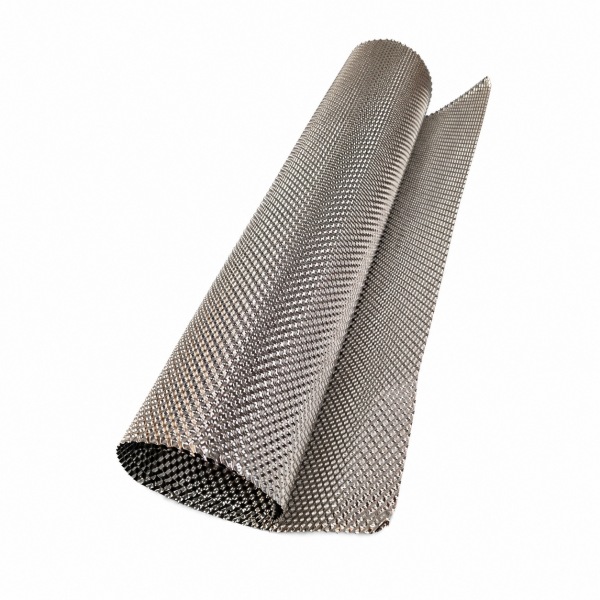
A high published temperature rating does not guarantee that the complete insulation system will perform correctly.
The full assembly must be considered.
An insulation material that performs well in a laboratory may fail quickly if it rubs continuously against a bracket or neighboring component.
Insulation should not prevent access to:
sensors;
clamps;
inspection ports;
flange bolts.
An exhaust system may need different thermal solutions in different areas.
For example:
manifold: shaped blanket;
straight pipe: wrap;
elbow: removable blanket;
muffler: metal shield.
The outer layer must suit the operating environment, not just the temperature.
Instead of selecting exhaust insulation by material name, use the following sequence.
For a simple tubular pipe:
Consider exhaust wrap or sleeve insulation.
For a pipe that requires regular inspection:
Use a removable pipe insulation blanket.
For an irregular elbow or flange:
Use a custom shaped blanket.
For protecting a nearby panel from radiant heat:
Use a metal or reflective heat shield.
For extreme heat and demanding environments:
Evaluate high-silica, high-temperature fiber, stainless steel or nickel-alloy constructions.
This approach is more reliable than choosing one product type for the complete exhaust system.
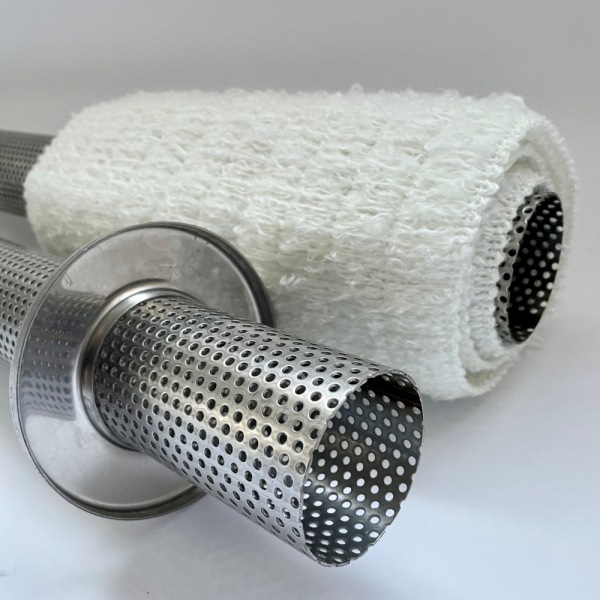
For accurate design and quotation, provide:
Pipe dimensions
outside diameter;
overall insulated length;
bend radius;
flange dimensions.
Temperature
normal operating temperature;
maximum temperature.
Installation environment
automotive;
marine;
generator;
industrial;
outdoor;
enclosed.
Service requirement
removable;
permanent;
frequency of maintenance.
Performance requirement
target external temperature;
maximum insulation thickness.
Project information
sample or drawing;
prototype quantity;
expected production volume.
The more complete the input data, the easier it is to design an insulation system that fits correctly from the first prototype.
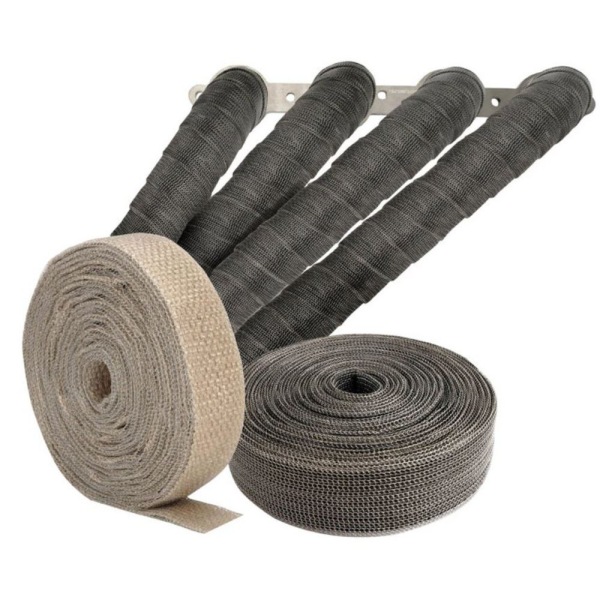
Exhaust pipe insulation is worth considering whenever an exhaust line creates unacceptable heat exposure for the surrounding system.
The decision should be driven by actual conditions rather than by appearance.
If the objective is to lower heat around the pipe, protect surrounding components or create a safer service environment, an insulation blanket, wrap, sleeve or heat shield may be appropriate.
For applications involving multiple exhaust components, the best result often comes from combining several insulation methods.
BSTFLEX manufacturesexhaust heat shield insulation, removable blankets, exhaust wraps, lagging and custom metal heat shields for automotive, marine, diesel, generator and industrial exhaust systems.
V prípade izolácie výfukového potrubia na mieru uveďte rozmery potrubia, prevádzkovú teplotu, prostredie inštalácie a požadované množstvo. Vhodnú izolačnú konštrukciu je potom možné zvoliť podľa skutočného výfukového systému, a nie podľa všeobecnej teplotnej charakteristiky.

No.10, Chuangxin North Road, Nanshan Park, Ningguo Economic and Technological Development Zone, Ningguo City, Anhui Province, China
tel/Whatsapp : 0086-15856303740
email : sales@bstbraidedsleeve.com
Skype : vanesa-cheng